The short answer
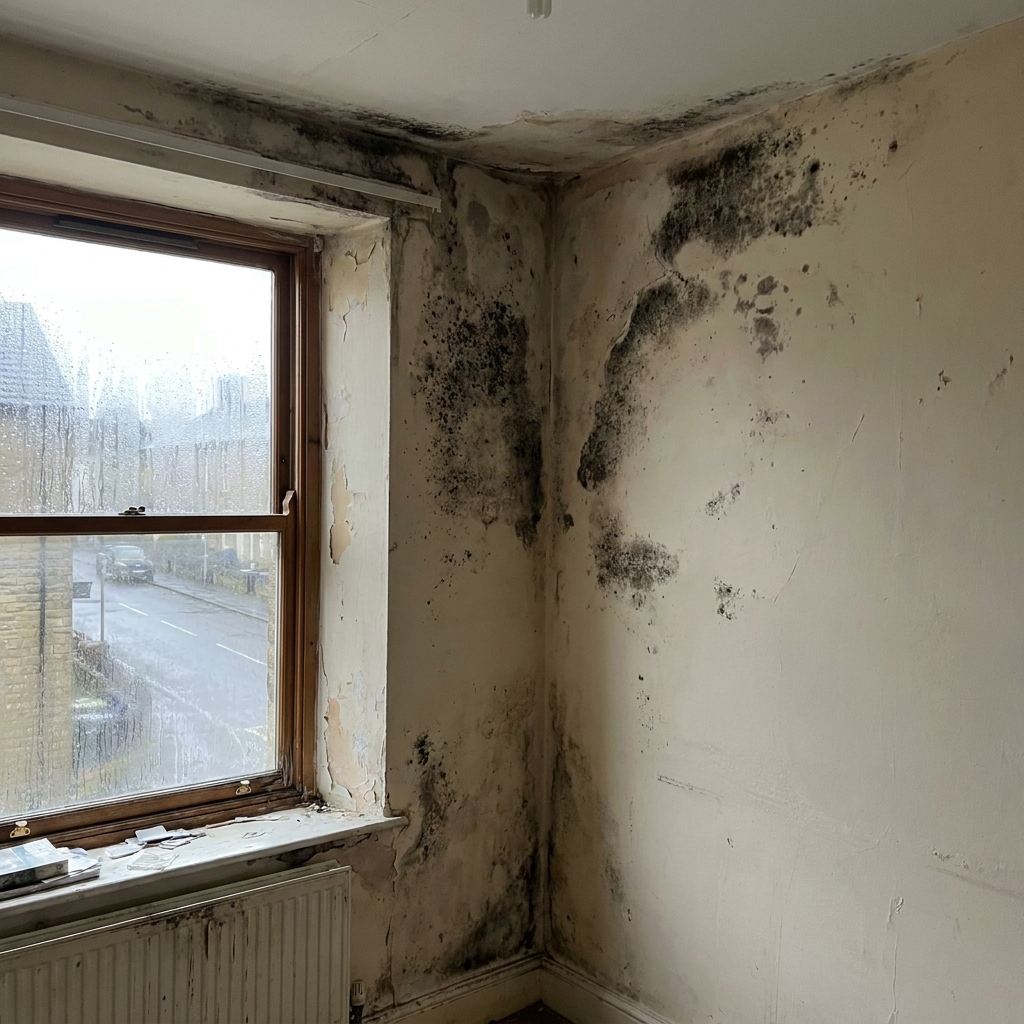
As a tenant you have the right to a home that is fit for human habitation and kept in repair. If damp or mould is caused by disrepair or makes the home unfit, you can require the landlord to fix it, ask the council to inspect under the HHSRS, and — if needed — bring a court claim. Assured shorthold tenants also have some protection from ‘retaliatory eviction’ after complaining about disrepair to the council. You do not lose these rights by being in rent arrears.
Tenants often feel powerless about damp and mould, but UK law gives clear rights — to a fit home, to timely repairs, to involve the council, and to some protection against being evicted simply for complaining. This guide explains those rights and how to use them, in plain terms. It is general information, not legal advice; for your situation contact Shelter, Citizens Advice or a housing solicitor.
Your rights at a glance
- Right to A home fit for human habitation
- Repair right Structure and installations kept in repair
- Council route HHSRS inspection — Housing Act 2004
- Protection Some cover from retaliatory eviction
- Not lost by Being in rent arrears
- Free help Shelter, Citizens Advice, the council
Your core rights
Whatever your tenancy type, you are generally entitled to a home that is safe and in reasonable condition. The Homes (Fitness for Human Habitation) Act 2018 gives you the right to a home that is fit to live in throughout the tenancy, and lets you take your landlord to court directly if it is not. Section 11 of the Landlord and Tenant Act 1985 gives you the right to have the structure, exterior and key installations kept in repair. And under the Housing Health and Safety Rating System (HHSRS) in the Housing Act 2004, you can ask the council’s environmental health team to inspect; if they find a serious damp and mould hazard, they can require the landlord to act.
- The right to a home fit for human habitation, free from serious damp and mould.
- The right to have disrepair causing damp put right within a reasonable time.
- The right to ask the council to inspect and enforce.
- The right not to be evicted purely for raising a legitimate complaint (in many cases).
Protection from retaliatory eviction
If you have an assured shorthold tenancy and you complain to the council about disrepair, and the council serves an improvement notice or emergency works notice, the law restricts the landlord’s ability to use a “no-fault” section 21 notice for a period — this is protection against retaliatory eviction. The exact rules are detailed and tenancy reform is ongoing, so check the current position with Shelter. The key practical point: complaining about damp should not, by itself, cost you your home.
How to enforce your rights
| Step | What it does |
|---|---|
| Report in writing | Fixes the date the landlord knew — triggers the repair duty |
| Council environmental health | HHSRS inspection and enforcement against the landlord |
| Housing Ombudsman | For social tenants, after the landlord’s complaints process |
| Court claim | Disrepair or fitness claim for repairs and compensation |
If you are a social tenant
Social tenants have an extra route. Awaab’s Law under the Social Housing (Regulation) Act 2023 requires social landlords to investigate reported damp and mould hazards within set timescales and to act promptly on emergencies. You can also use the landlord’s formal complaints procedure and then the Housing Ombudsman. See Awaab’s Law explained and complaining to a social landlord.
Putting your rights into practice
Rights only help if you use them in the right order and keep a record. Start by reporting the damp and mould to your landlord or agent in writing — email or letter — with dated photographs of each affected area, and keep a copy. This single step triggers the landlord’s repair duty and fixes the date they knew. If nothing happens within a reasonable time, escalate: private tenants to the council’s environmental health team, social tenants through the formal complaints procedure and then the Housing Ombudsman. Throughout, note every visit, promise and missed appointment, and record any belongings damaged or any health effects, ideally with GP support. This paper trail is what later turns a dispute in your favour, whether through the council, the Ombudsman or a court. You do not need to threaten or argue building science; calm, documented persistence is far more effective. And remember that none of these rights depends on your rent being fully paid — though, as below, withholding rent to force action is a separate and risky decision that you should not take without advice.
This page is general information about the UK position in 2026. It is not legal advice or a survey of your home. For your circumstances, contact Shelter, Citizens Advice, your local authority or a housing solicitor.
Frequently asked questions
What are my rights if my rented home has mould?
You have the right to a home fit for human habitation and kept in repair. If damp or mould stems from disrepair or makes the home unfit, you can require repairs, ask the council to inspect under the HHSRS, and bring a court claim if needed.
Can my landlord evict me for complaining about damp?
In many cases, no. Assured shorthold tenants who complain to the council, leading to an improvement or emergency works notice, gain protection from retaliatory section 21 eviction for a period. Check the current rules with Shelter as tenancy law is changing.
Do I lose my rights if I owe rent?
No. Your right to a fit, repaired home is separate from any rent arrears. However, withholding rent to force repairs is risky and can put you at risk of eviction, so take advice first.
Who can help me for free?
Shelter and Citizens Advice give free housing advice, and your local council’s environmental health team can inspect and enforce. Social tenants can also use the Housing Ombudsman.
Sources & further reading
- GOV.UK — Private renting: repairs and your rights
- legislation.gov.uk — Homes (Fitness for Human Habitation) Act 2018
- legislation.gov.uk — Landlord and Tenant Act 1985, section 11
- Housing Ombudsman — Spotlight on damp and mould
This guide is general information, not a site-specific survey, medical advice or legal advice. Damp and mould should be assessed by a qualified surveyor, and health concerns discussed with a GP or the NHS.