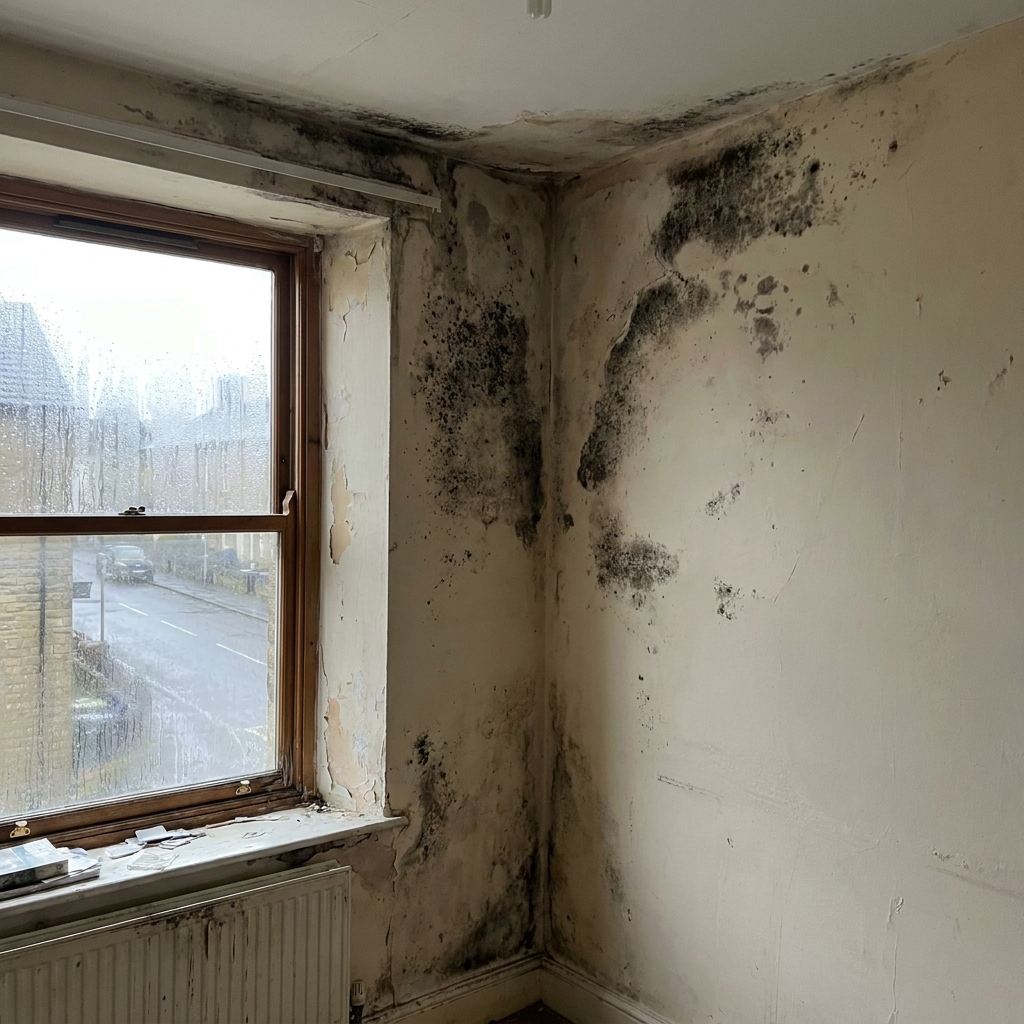
The short answer
Booking an independent damp survey gives you a written diagnosis of the type and cause of your damp before you spend a penny on repairs. A PCA-accredited or RICS surveyor inspects the property, takes moisture readings, identifies whether you have condensation, penetrating or rising damp, and recommends the correct cure. A focused survey typically costs £150–£350. Starting an enquiry here is free and carries no obligation — you simply describe the problem and an accredited surveyor responds.
Most money wasted on damp is wasted because the cause was never properly diagnosed. The fix for that is straightforward and inexpensive: an independent survey by a qualified, accredited surveyor who is paid for the report, not the remedial work. This page explains exactly what a survey gives you, why independence and accreditation matter, and how a free, no-obligation enquiry works.
Your survey at a glance
- What you get A written diagnosis and recommended cure
- Who carries it out An independent PCA or RICS surveyor
- Typical cost £150–£350 for a focused survey
- Enquiry Free and no-obligation
- Best for Persistent, spreading or mortgage-flagged damp
What an independent survey gives you
A proper survey turns a vague worry into a clear plan. It is a structured inspection — external defects, ground levels, ventilation, construction and moisture readings — followed by a written report you can act on. From a competent, accredited surveyor you should receive:
- A diagnosis of the type of damp — condensation, penetrating or rising — backed by moisture readings rather than guesswork.
- The cause, not just the symptom: the leaking gutter, the bridged DPC, the missing extract fan or the high external ground level.
- A recommended remedy matched to that cause, with a sense of scale, priority and what can wait.
- A written report you can use to obtain like-for-like quotes, support a mortgage application, or discuss repairs with a landlord on equal terms.
Why an independent, PCA-accredited surveyor matters
The biggest risk in the damp industry is the conflict of interest in a “free survey” from a company that also sells the treatment. That inspector is incentivised to find a problem chemicals can solve, and the classic outcome is condensation sold as rising damp, “cured” with an injected damp-proof course and replastering you never needed. An independent surveyor is paid only for the report, so their commercial interest is an accurate answer. A PCA-accredited specialist works to the Property Care Association’s technical standards and code of conduct, while a RICS surveyor is regulated by the Royal Institution of Chartered Surveyors. Accreditation is your assurance of competence, impartiality and a route to redress if something goes wrong.
How the free, no-obligation enquiry works
You describe the problem — where the damp is, how long it has been there, whether it was flagged in a homebuyer or mortgage report — and an accredited surveyor responds. There is no charge to make the enquiry and no obligation to proceed. If a survey is the right next step, you will be quoted a clear, fixed fee (typically £150–£350 for a focused survey) before anything is booked. You stay in control of who, if anyone, then carries out the work.
| Step | What happens |
|---|---|
| 1. Enquire | Describe the damp problem — free, no obligation |
| 2. Diagnose | An accredited surveyor inspects and takes readings |
| 3. Report | You receive a written diagnosis and recommended cure |
| 4. Decide | You choose who carries out any work — on your terms |
When a survey is worth it — and when it isn’t
What happens after you enquire
Once you send your enquiry, a qualified surveyor will normally call to understand the symptoms, the age and construction of the property, and whether the damp follows rain, appears seasonally or sits at low level on internal walls. That conversation alone often narrows the likely cause before anyone visits, and lets the surveyor confirm the right type of inspection — a focused damp report, or a fuller damp-and-timber survey if rot or woodworm is suspected. A typical visit takes one to two hours: the surveyor inspects affected and unaffected walls inside and out, takes meter readings at several heights, checks ground levels, gutters, ventilation and any prior treatment, and photographs the evidence. You then receive a written report setting out the cause, the cure and a sensible order of works, so you can get quotes against a clear specification rather than a salesperson’s hunch.
Book a survey when damp is persistent, spreading, smells musty, has been flagged before a purchase or mortgage, or someone is about to quote for major work. You can often manage an isolated patch of mould in a cold corner yourself with better ventilation — that is usually condensation, not structural damp. The deciding question is whether the cause is genuinely unclear or money is about to be spent; if either is true, an impartial diagnosis first is the cheapest insurance you can buy. For what it costs, see damp survey cost. This page is general information, not a site-specific survey or legal advice. Damp affecting your health, your home’s structure or its value should be assessed in person by a qualified surveyor.
Frequently asked questions
Is the enquiry really free?
Yes. Making an enquiry is free and carries no obligation. If a survey is the right step, you will be quoted a fixed fee — typically £150–£350 for a focused survey — before anything is booked.
Why use an independent surveyor rather than a damp-proofing firm?
An independent surveyor is paid for the report, not the remedial work, so they have no incentive to over-specify treatment. That impartiality is the main protection against misdiagnosis.
What does PCA-accredited mean?
The Property Care Association accredits specialists who work to its technical standards and code of conduct. Accreditation gives you assurance of competence and a route to redress if something goes wrong.
Do I need a survey for a small patch of mould?
Often not — an isolated patch in a cold corner is usually condensation you can manage with better ventilation. Book a survey when damp is persistent, spreading, or flagged before a purchase or mortgage.
Sources & further reading
- Property Care Association (PCA) — find an accredited damp specialist and code of conduct
- RICS — Investigation of moisture and its effects in traditional buildings
- gov.uk — Housing Health and Safety Rating System (HHSRS) operating guidance
This guide is general information, not a site-specific survey, medical advice or legal advice. Damp and mould should be assessed by a qualified surveyor, and health concerns discussed with a GP or the NHS.