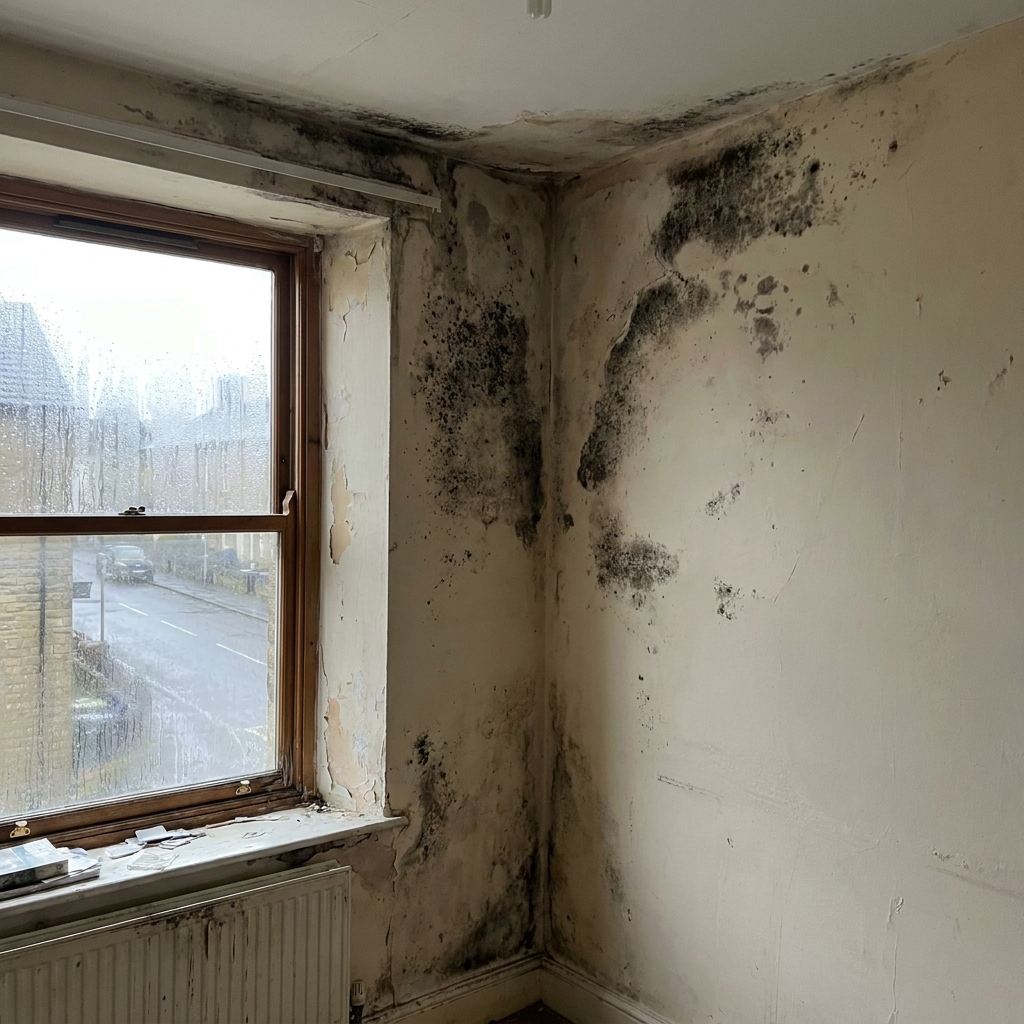
The short answer
Awaab’s Law requires social landlords in England to investigate and fix damp and mould hazards within set timescales. Introduced through the Social Housing (Regulation) Act 2023 and in force from October 2025, it is named after Awaab Ishak, a two-year-old boy who died in 2020 after prolonged exposure to mould in a Rochdale flat. The law makes set response times an implied term of social tenancies, so tenants can hold landlords to account when damp and mould are reported.
Awaab’s Law is one of the most significant changes to UK housing health and safety in years. It exists because a child died from a hazard his family had repeatedly reported. This page explains, calmly and factually, what the law is, who it applies to, what it requires, and what it means if you are a tenant living with damp and mould. It is general information, not legal advice; for advice on your own situation, speak to your local council, Citizens Advice or a housing solicitor.
Awaab’s Law at a glance
- Named after Awaab Ishak, who died in 2020 aged two
- Introduced by Social Housing (Regulation) Act 2023
- In force from October 2025
- Applies to Social landlords in England
- Core duty Investigate and act on damp & mould within set timescales
- Tenant benefit Implied tenancy term — enforceable
Who was Awaab Ishak?
Awaab Ishak was a two-year-old boy who died in December 2020. A coroner concluded that his death was caused by prolonged exposure to mould in the social housing flat where he lived in Rochdale. His family had repeatedly raised concerns about the damp and mould, and the response they received fell badly short. The inquest findings prompted a national reckoning over how landlords respond to damp and mould — and in particular over the tendency to blame “lifestyle” rather than investigate the building — and led directly to the law that now bears his name.
What Awaab’s Law requires
Awaab’s Law was created through the Social Housing (Regulation) Act 2023 and came into force from October 2025. It places legal duties on social landlords in England to deal with damp and mould (and certain other hazards) promptly, rather than at their own pace. In broad terms, social landlords must:
- Investigate reported damp and mould hazards within a set timescale.
- Provide a written summary of the investigation findings to the tenant.
- Begin repair work within a set period where a hazard is found.
- Act promptly on emergencies — hazards posing a significant and imminent risk of harm must be addressed quickly.
These requirements become an implied term of the tenancy agreement, which means a tenant can enforce them as part of their contract with the landlord — an important shift, because it turns a vague expectation into a contractual duty. The detailed timescales are set out in the gov.uk guidance and are being phased in, so check the current gov.uk guidance for the exact day-counts that apply to your situation rather than relying on figures quoted elsewhere, which may be out of date or wrong.
Who does it apply to?
Awaab’s Law applies to social landlords in England — councils and housing associations. If you rent privately, Awaab’s Law does not directly apply to you, but you have separate protections under the Homes (Fitness for Human Habitation) Act 2018 and the Landlord and Tenant Act 1985. The Housing Health and Safety Rating System (HHSRS), enforced by councils, also covers damp and mould in all tenures, so a private tenant is not left without recourse. See landlord responsibility for damp for how the different rules fit together across social and private renting.
| Your situation | Main protection |
|---|---|
| Council or housing association tenant | Awaab’s Law plus Fitness for Human Habitation Act and HHSRS |
| Private tenant | Fitness for Human Habitation Act 2018, s.11 LTA 1985, HHSRS via council |
| Any tenant, serious hazard | Report to environmental health at your local council |
What it means for tenants
If you are a social tenant with damp and mould, Awaab’s Law strengthens your position considerably. Report the problem to your landlord in writing, describe the effect on your household — especially children or anyone vulnerable — and keep a dated record of every report and response, including photographs and the dates work was promised. If the landlord does not act within the required timescales, you can escalate: first through the landlord’s own complaints process, then to the Housing Ombudsman, which investigates complaints against social landlords and can order remedies. The law was designed precisely so that families no longer have to chase landlords indefinitely, as Awaab Ishak’s family did. See your tenant rights on damp and mould and, where damp has caused damage or ill health, a possible housing disrepair claim for the routes available to you. Remember that this page is general information, not legal advice — for help with your own case, contact your council, Citizens Advice or a housing solicitor.
Frequently asked questions
What is Awaab’s Law?
Awaab’s Law is a set of duties on social landlords in England, introduced through the Social Housing (Regulation) Act 2023 and in force from October 2025. It requires landlords to investigate and act on damp and mould hazards within set timescales. It is named after Awaab Ishak, a two-year-old who died in 2020 after prolonged exposure to mould.
Does Awaab’s Law apply to private landlords?
No. Awaab’s Law applies to social landlords — councils and housing associations. Private tenants are protected instead by the Homes (Fitness for Human Habitation) Act 2018, the Landlord and Tenant Act 1985, and the Housing Health and Safety Rating System enforced by local councils.
What timescales does Awaab’s Law set?
The law sets timescales for investigating reported hazards, providing a written summary, and starting repairs, with prompt action required for emergencies. The exact day-counts are set by gov.uk regulations and are being phased in, so check the latest official gov.uk guidance for the figures that apply to you.
What can I do if my landlord ignores the law?
Report the damp in writing and keep records. If your social landlord does not act within the required timescales, use their complaints process, then escalate to the Housing Ombudsman. You can also report serious hazards to environmental health at your local council, and may have grounds for a disrepair claim.
Sources & further reading
- gov.uk — Awaab’s Law: guidance for social landlords
- UK legislation — Social Housing (Regulation) Act 2023
- Housing Ombudsman — Spotlight on damp and mould
This guide is general information, not a site-specific survey, medical advice or legal advice. Damp and mould should be assessed by a qualified surveyor, and health concerns discussed with a GP or the NHS.