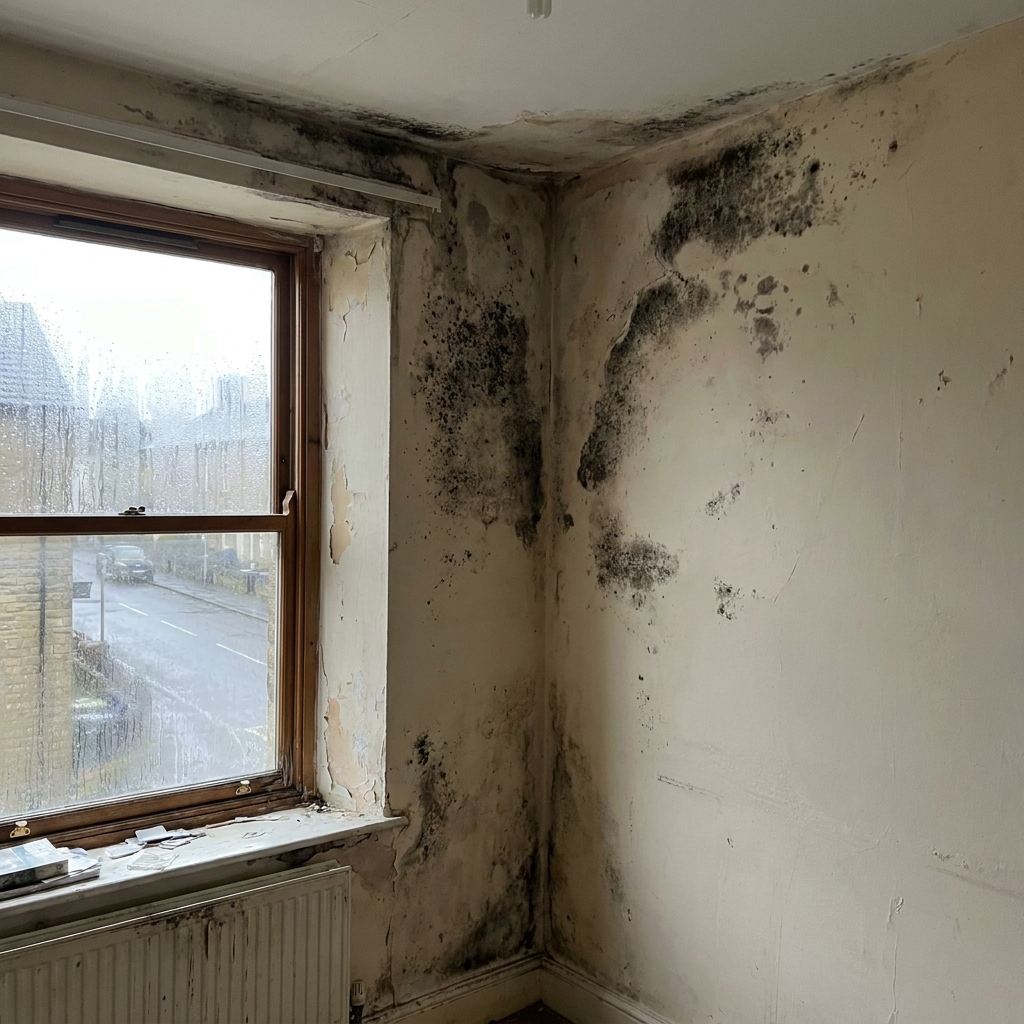
The short answer
A damp-proof course (DPC) is a waterproof barrier built into a wall near ground level to stop groundwater rising up through the masonry. Modern homes have a physical DPC (slate, bitumen or plastic); older homes may have none, or one that has failed or been bridged. You need a new DPC — usually a chemical injection — only where genuine rising damp is confirmed by an independent survey. Rising damp is widely over-diagnosed, so confirm the cause before paying for a DPC.
The damp-proof course is one of the most talked-about and most misunderstood parts of a house. Its job is simple — to stop moisture rising up a wall from the ground — but whether a property needs a new one is frequently misjudged, often by firms that sell the treatment. This guide explains what a DPC is, how to recognise when yours has actually failed, and when an injection is genuinely needed rather than just sold.
Damp-proof courses at a glance
- What it does Stops groundwater rising up a wall
- Materials Slate, bitumen, plastic, or injected chemical
- Position A horizontal layer near ground level
- Common failure Bridging by high ground or render
- New DPC method Usually chemical injection
- Cost £300–£1,000+ per wall; £2,000–£5,000 whole house
What a damp-proof course is
A damp-proof course is a horizontal waterproof barrier built into a wall a short distance above ground level. It blocks capillary action — the process by which water is drawn upward through the tiny pores in brick, stone and mortar — and so keeps groundwater out of the habitable structure above. In homes built since the late nineteenth century, the DPC is usually a physical layer of slate, engineering brick, bitumen felt or, in modern construction, a plastic membrane. Many older and period properties were built without one and have managed for decades through other means, such as breathable lime construction. To understand the damp it prevents, see rising damp explained.
How a DPC fails — or appears to
A DPC can degrade with age, but far more often the barrier is intact and the problem is that it has been bridged — water is finding a path around it. Genuine failure is less common than the sales pitch suggests.
- Bridging by external ground — raised paths, patios, flower beds or piled soil sitting above the DPC line let water cross it.
- Bridging by render or plaster — a coat of cement render or internal plaster carried across the DPC provides a route for moisture.
- Debris in the cavity — mortar droppings in a wall cavity can bridge the gap.
- Genuine breakdown — an old bitumen or slate DPC can deteriorate, though this is rarer than commonly claimed.
Because the symptoms of bridging and condensation overlap with those of rising damp, an independent diagnosis is essential before assuming the DPC is at fault.
When you actually need a new DPC
A new damp-proof course is justified only where genuine rising damp is confirmed and cheaper bridging causes have been ruled out. The usual remedy is a chemical DPC: a water-repellent cream or fluid injected into holes drilled along the mortar course, which then forms a new barrier. This typically costs £300–£1,000+ per wall, or roughly £2,000–£5,000 for a whole house including the replastering that usually follows. See how to treat rising damp and damp-proofing cost. Often, simply lowering external ground levels or removing bridging render solves the problem at a fraction of the cost.
Physical, chemical and the older approaches
It helps to know the forms a damp-proof course can take, because the right answer for your home depends on how it was built. In modern construction the DPC is a continuous physical membrane — engineering brick, bitumen felt or plastic — laid as the wall is built, and it is not something that can be added afterwards without major work. In existing homes, the practical remedy for genuine rising damp is a chemical DPC, where a water-repellent cream or fluid is injected into the mortar course to form a new barrier. There are also electro-osmotic systems, which are far less commonly used and more contentious. Crucially, in older breathable buildings — solid stone or lime-mortar walls designed to let moisture move through and evaporate — injecting a chemical DPC can interfere with how the wall is meant to work and sometimes makes matters worse. That is one more reason the diagnosis must come from someone who understands the construction, not just someone selling a single product.
Get an independent diagnosis first
Before agreeing to a DPC, commission an independent damp survey from someone who is not selling the treatment — ideally an RICS surveyor or a Property Care Association member working to recognised standards such as BS 6576. See how to get a damp survey and PCA damp specialist. A good surveyor checks ground levels, render, rainwater goods and the wall itself before concluding the DPC is at fault, and will often find a cheaper cause. This page is general information, not a site-specific survey; only a qualified inspection can confirm whether your DPC has failed.
Frequently asked questions
How do I know if my damp-proof course has failed?
You usually cannot tell by eye — the symptoms of a failed DPC, bridging and condensation overlap. An independent surveyor inspects ground levels, render and the wall before concluding the DPC is at fault, as genuine failure is less common than assumed.
How much does a new damp-proof course cost?
A chemical DPC typically costs £300–£1,000+ per wall, or around £2,000–£5,000 for a whole house including replastering. Often a cheaper fix, such as lowering external ground, resolves the issue instead.
Do old houses without a DPC always need one?
No. Many period properties were built without a physical DPC and function well using breathable lime construction. Injecting a chemical DPC into such a wall can sometimes do more harm than good — specialist advice is essential.
What does bridging a damp-proof course mean?
Bridging is where moisture finds a path around an intact DPC — for example over a raised patio, through cement render, or via debris in a cavity. Removing the bridge, rather than replacing the DPC, is often the real fix.
Sources & further reading
- Property Care Association (PCA) — rising damp and DPC guidance
- RICS — damp and timber surveying standards
- GOV.UK — Housing Health and Safety Rating System (HHSRS) guidance
- BS 6576 — Code of practice for diagnosis of rising damp and installation of chemical DPCs
This guide is general information, not a site-specific survey, medical advice or legal advice. Damp and mould should be assessed by a qualified surveyor, and health concerns discussed with a GP or the NHS.