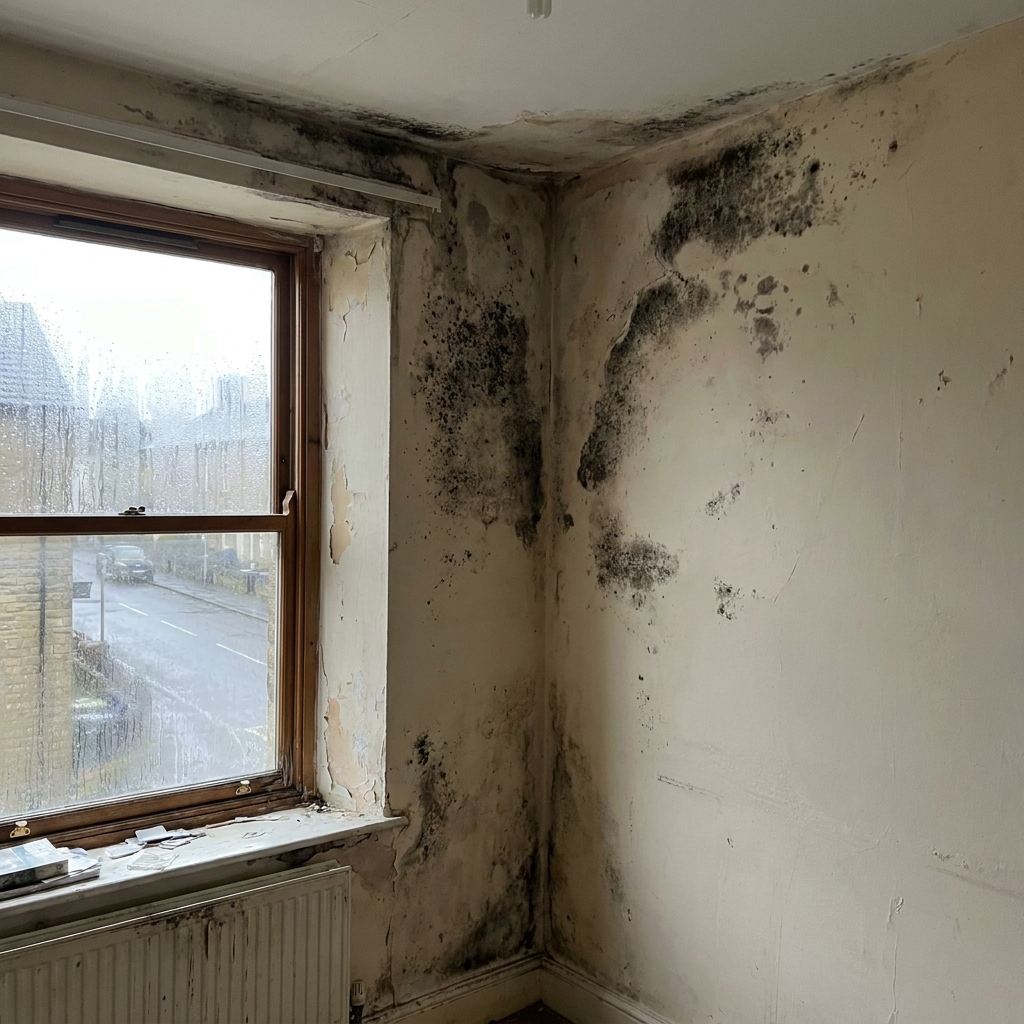
The short answer
Treat rising damp by working in order: confirm the diagnosis with an independent survey, remove any bridging (high external ground, cement render), restore the damp-proof course — usually a chemical injection — and only then replaster and redecorate, allowing the wall to dry first. Rising damp is frequently misdiagnosed as condensation or penetrating damp, so an independent assessment is essential before paying for any DPC work.
Rising damp — groundwater drawn up through the base of a wall — is a genuine defect, but it is one of the most over-diagnosed problems in British housing, because the cure (a chemical DPC) is profitable to sell. Treating it properly means confirming it really is rising damp, ruling out cheaper causes, and then following the correct sequence so the repair lasts. This guide sets out that sequence.
Treating rising damp at a glance
- Classic sign Tide-mark up to about 1m, salt staining
- Step one Confirm with an independent survey
- Cheap fixes first Lower ground levels, remove render
- Main treatment Chemical damp-proof course injection
- Then Allow to dry, replaster, redecorate
- Cost £300–£1,000+ per wall
First, confirm it really is rising damp
Rising damp has a characteristic signature: a horizontal tide-mark up to roughly a metre above floor level, often with a band of salt staining or a fluffy salt bloom where ground salts have been carried up and deposited as the water evaporates. It affects ground-floor walls in contact with the ground and does not appear upstairs. The trouble is that condensation and penetrating damp can look similar, and rising damp is widely diagnosed where neither the symptoms nor the testing support it. Before spending anything, get an independent diagnosis from someone not selling the cure — see rising damp explained and how to get a damp survey.
Rule out and remove bridging
Often the “rising damp” is really an intact damp-proof course being bypassed. These cheaper fixes should be tried before any injection:
- Lower external ground — ensure paths, patios and soil sit at least 150mm below the DPC line so water cannot cross it.
- Remove bridging render or plaster — strip any cement coat carried across the DPC internally or externally.
- Clear cavity debris — mortar droppings bridging a cavity may need removing.
- Improve sub-floor ventilation — unblock air-bricks to keep the wall base drier.
Resolving a bridge can cure the damp at a fraction of the cost of a new DPC. It is worth being methodical here: a surveyor will often work down this list before recommending injection precisely because so many “rising damp” cases turn out to be a raised flower bed, a path laid above the DPC line, or a band of modern cement render trapping moisture against an old wall that was built to breathe.
Restore the damp-proof course
Where genuine rising damp is confirmed and bridging has been ruled out, the standard treatment is a chemical DPC: a water-repellent cream or fluid injected into holes drilled along a mortar course, forming a new barrier. The work should follow recognised practice (BS 6576) and ideally be carried out by a Property Care Association member offering a meaningful guarantee. Expect £300–£1,000+ per wall, or roughly £2,000–£5,000 whole-house with replastering; see damp-proof course explained and damp-proofing cost.
Why the order matters so much
Rising-damp work goes wrong most often not because the injection fails but because the steps are taken in the wrong order. Inject before confirming the diagnosis and you may treat a problem that was never rising damp. Replaster before the wall has dried and you trap moisture and ground salts behind the new finish, which then blisters and blooms within months. Skip the bridging checks and you spend on a DPC when simply lowering a patio or stripping a band of cement render would have cured it for a fraction of the cost. The sequence — confirm, de-bridge, inject, dry, replaster, decorate — exists precisely to stop money being wasted and to give the repair the best chance of lasting. Following it in order is what separates a one-off fix from a recurring bill.
Dry, replaster and redecorate — in that order
After the DPC is restored, the wall holds salts and moisture and must be allowed to dry before being made good. Salt-contaminated plaster is usually hacked off and renewed with a suitable salt-resistant system; redecorating too soon traps moisture and causes blistering and salt bloom. Solid masonry can take months to dry, and rushing this stage is a common cause of a “failed” treatment that was actually fine. Tackle any mould safely as part of the works; see how to remove black mould. This page is general guidance, not a survey of your property — always confirm the diagnosis professionally.
Frequently asked questions
How is rising damp treated?
By confirming the diagnosis, removing any bridging such as high ground or cement render, restoring the damp-proof course (usually a chemical injection), then allowing the wall to dry before replastering and redecorating. The order matters.
Can I treat rising damp myself?
You can address cheaper causes yourself — lowering external ground, removing bridging render, clearing air-bricks. A chemical DPC injection, however, is specialist work that should follow recognised standards and ideally a PCA-registered installer.
How long does a wall take to dry after DPC treatment?
Solid masonry can take several months to dry after a new DPC is installed. Replastering and redecorating too soon traps moisture and salts, causing the new finish to blister and fail.
Is rising damp always the cause of damp at the bottom of a wall?
No — damp low on a wall is often condensation or an intact DPC being bridged rather than true rising damp, which is over-diagnosed. An independent survey should confirm the cause before any DPC is bought.
Sources & further reading
- Property Care Association (PCA) — rising damp diagnosis and treatment
- RICS — damp and timber surveying standards
- BS 6576 — Code of practice for chemical damp-proof courses
- GOV.UK — Housing Health and Safety Rating System (HHSRS) guidance
This guide is general information, not a site-specific survey, medical advice or legal advice. Damp and mould should be assessed by a qualified surveyor, and health concerns discussed with a GP or the NHS.