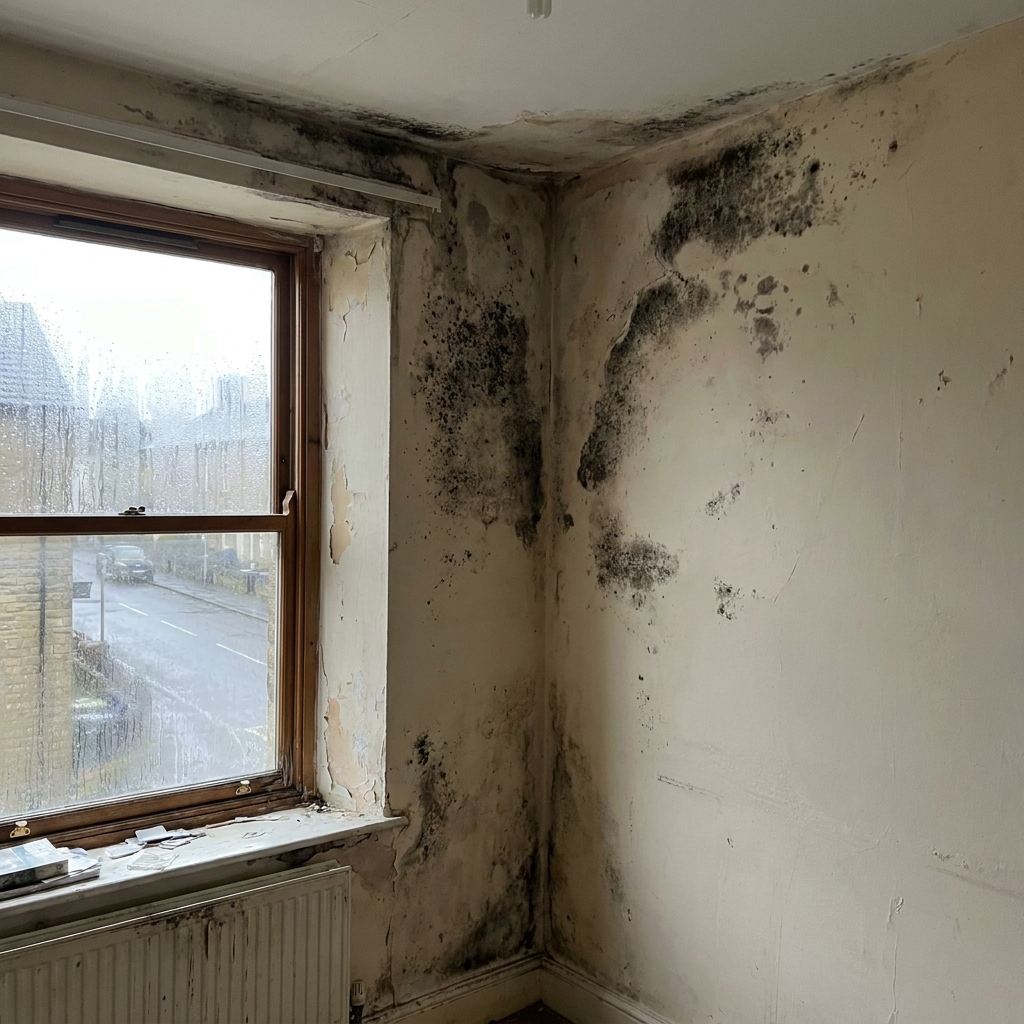
The short answer
If your landlord won’t deal with damp and mould, you can report it to your council’s environmental health team. They can inspect under the Housing Health and Safety Rating System (HHSRS) in the Housing Act 2004, and if they find a serious (Category 1) hazard they generally must take enforcement action — which can require the landlord to carry out works. First report the problem to your landlord in writing; the council route is for when that fails. This is general information, not legal advice.
When a landlord ignores or denies a damp and mould problem, the local council is one of the most powerful routes a tenant has. Environmental health officers can inspect the home, rate the hazard objectively, and order the landlord to act. This guide explains when to use that route, how to report, and what happens next. It applies to England; Scotland, Wales and Northern Ireland have broadly similar but separate systems.
Reporting at a glance
- Who to contact Council environmental health / housing standards
- Legal basis HHSRS — Housing Act 2004
- They assess Severity of the damp/mould hazard
- Category 1 hazard Council generally must take action
- Possible outcome Improvement or emergency works notice
- Do first Report to your landlord in writing
When to involve the council
The council route is normally used after you have reported damp and mould to your landlord in writing and given them a reasonable time to investigate and repair, and they have failed to do so — or where the problem is urgent and the landlord is unresponsive. You report it to the environmental health or housing standards team at your local council. You can usually do this online, by phone or by email; search your council’s name plus “report damp and mould”. Reporting to the council is also what can trigger protection from retaliatory eviction for assured shorthold tenants — see your rights as a tenant.
What the HHSRS inspection does
An environmental health officer assesses the home under the Housing Health and Safety Rating System (HHSRS), introduced by the Housing Act 2004. Damp and mould growth is one of the 29 recognised hazards. The officer scores the risk to health, particularly for vulnerable occupants such as children and older people, and classifies it as a Category 1 (most serious) or Category 2 hazard. For a Category 1 hazard the council generally has a duty to take enforcement action; for Category 2 it has a power but not a duty.
| Council action | What it means |
|---|---|
| Hazard awareness / improvement notice | Requires the landlord to do specified works by a deadline |
| Emergency remedial action | Council acts urgently where there is imminent risk |
| Prohibition order | Restricts use of part or all of the property |
| Works in default | Council does the work and recovers the cost from the landlord |
How to make a strong report
- Give your full address, landlord/agent details, and how long the problem has existed.
- Attach dated photos of the damp and mould in each affected room.
- Include copies of what you reported to the landlord and any replies.
- Mention any vulnerable occupants (babies, elderly, asthma) and any health effects.
- Keep a copy of everything you send and note the date.
What happens next
The council will usually arrange to inspect. If they find a serious hazard, they can serve notices requiring the landlord to carry out works, and can step in to do urgent works themselves. Timescales vary by council and workload. If your home is socially rented, remember Awaab’s Law sets separate investigation timescales on the landlord directly.
What the council route can — and cannot — do
Environmental health enforcement is powerful, but it is worth being realistic about its scope. The council’s job is to assess and remove the hazard to health, not to win you compensation; damages for damaged belongings, ill health or loss of enjoyment come through the Housing Ombudsman or a court, not from an HHSRS inspection. The council also acts on a public-protection basis and may prioritise the most serious cases, so timescales can vary with local workload. It cannot force a landlord to do work that goes beyond removing the hazard, and it cannot act against itself, which is the gap social tenants fill with the complaints-and-Ombudsman route. Even so, an improvement notice carries real weight: ignoring it is a criminal offence, and the council can carry out the works in default and bill the landlord. For many private tenants, simply involving environmental health is enough to get a previously unresponsive landlord to act, and the resulting inspection report is valuable independent evidence if a disrepair or fitness claim follows later. Report early, keep your written history, and let the officer’s objective assessment do the persuading.
This page is general information about the position in England in 2026 and is not legal advice. For your situation, contact your local authority, Shelter or a housing solicitor.
Frequently asked questions
How do I report damp and mould to the council?
Contact your local council’s environmental health or housing standards team — usually online, by phone or email. Provide your address, landlord details, dated photos, and copies of what you already reported to the landlord.
What can the council make my landlord do?
After an HHSRS inspection, the council can serve an improvement notice requiring works, take emergency action for imminent risk, issue a prohibition order, or do the work itself and recover the cost from the landlord.
What is a Category 1 hazard?
The most serious HHSRS hazard rating. For a Category 1 damp and mould hazard, the council generally has a legal duty to take enforcement action, not just a discretion.
Can I report my council landlord to the council?
No — a council cannot use HHSRS enforcement against itself. Council and housing-association tenants should use the landlord’s complaints process and then the Housing Ombudsman, and can rely on Awaab’s Law timescales.
Sources & further reading
- GOV.UK — Housing Health and Safety Rating System (HHSRS)
- legislation.gov.uk — Housing Act 2004
- GOV.UK — Private renting: complaining to your council
- Housing Ombudsman — Spotlight on damp and mould
This guide is general information, not a site-specific survey, medical advice or legal advice. Damp and mould should be assessed by a qualified surveyor, and health concerns discussed with a GP or the NHS.