The short answer
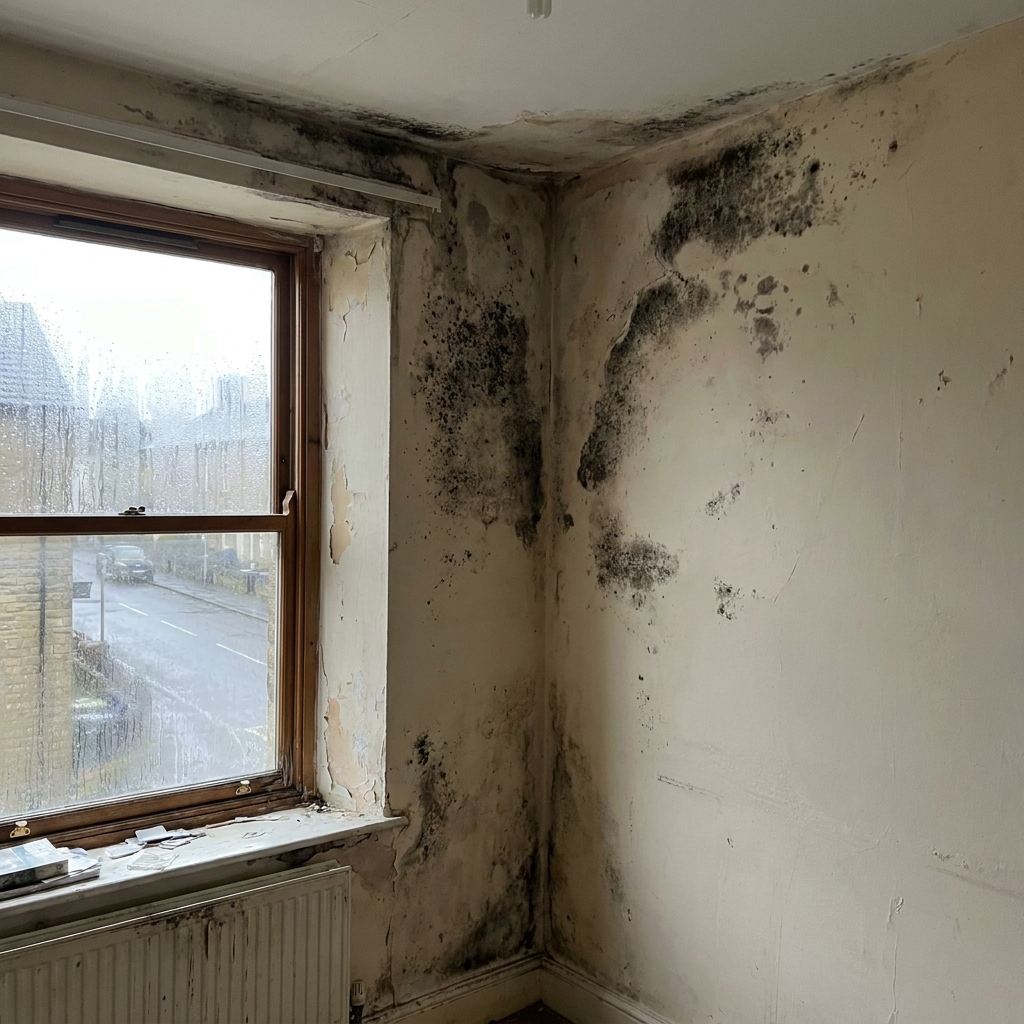
The Homes (Fitness for Human Habitation) Act 2018 requires most rented homes in England to be fit for human habitation at the start of and throughout the tenancy. It lets tenants take their landlord directly to court if the home is unfit — for example, because of serious damp and mould — without having to rely on the council. Fitness is judged on factors including freedom from damp, ventilation, and the home’s general condition. A court can order repairs and award compensation.
The Homes (Fitness for Human Habitation) Act 2018 was a landmark change in tenants’ rights, giving renters a direct legal route to demand a safe, healthy home. For damp and mould — the most common fitness complaint — it is one of the most useful tools a tenant has. This guide explains what the Act covers, how fitness is assessed, and how a tenant uses it. It is general information, not legal advice.
The Fitness Act at a glance
- Full name Homes (Fitness for Human Habitation) Act 2018
- Applies Most rented homes in England
- Requires Home fit for habitation throughout tenancy
- Tenant route Direct claim to court — no council needed
- Damp relevance Freedom from damp is a fitness factor
- Remedies Repairs ordered and/or compensation
What the Act does
The Homes (Fitness for Human Habitation) Act 2018 amended the Landlord and Tenant Act 1985 to imply a term into most residential tenancies in England that the property is fit for human habitation when let and throughout the tenancy. Crucially, it gives the tenant a direct right to sue the landlord in the county court if the home is unfit — they do not have to persuade the council to act first. For damp and mould, which the Housing Ombudsman has called one of the most common complaints, this is a powerful right. It applies to tenancies granted on or after 20 March 2019, and from 20 March 2020 it extended to most existing periodic tenancies.
How ‘fitness’ is judged
The Act lists matters a court considers when deciding whether a home is fit. Several relate directly to damp:
- Freedom from damp — persistent rising, penetrating or condensation damp counts against fitness.
- Ventilation — a home that cannot be ventilated adequately may be unfit.
- Stability and repair of the structure.
- Any HHSRS hazard — a Category 1 hazard such as serious damp and mould is strong evidence of unfitness.
A home does not have to be perfect; the test is whether it is so far below standard that it is not reasonably suitable to live in. Serious, health-affecting damp and mould can cross that line. See is mould dangerous to health and signs of damp in a house.
| Stage | What happens |
|---|---|
| Notify the landlord | Report in writing; allow a reasonable time to repair |
| Independent evidence | A surveyor’s report on the damp and its cause |
| Legal advice | Shelter, Citizens Advice or a housing solicitor |
| Court claim | County court can order works and award compensation |
How a tenant uses it
In practice, a tenant reports the damp in writing, allows the landlord a reasonable time to repair, gathers evidence — ideally an independent damp survey — and, if the landlord still fails, takes advice and can bring a county court claim under the Act for the home to be made fit and for compensation. The Act sits alongside section 11 repairing obligations, and many claims rely on both.
Why the Fitness Act changed things for tenants
Before the 2018 Act, a private tenant facing a home that was cold, mouldy and unhealthy — but not strictly “in disrepair” — often had to rely on persuading the council to act, with no direct claim of their own. The Fitness Act closed that gap by letting tenants enforce a basic standard of habitability themselves. This matters most for condensation damp, where there may be no broken item to point to under section 11, yet the home is still unfit because it cannot be heated or ventilated to a livable standard. The Act looks at the home as a whole and at the practical experience of living in it, which is why poor ventilation, persistent damp and a serious HHSRS hazard all weigh against the landlord. It also applies throughout the tenancy, not just at the start, so a home that becomes unfit later is covered. The remedies are real: a court can order the landlord to do the works needed to make the home fit and award compensation for the period it fell short. For tenants, the practical message is that you do not have to wait for the council — with notice, evidence and advice, the Fitness Act puts the claim directly in your hands.
This page is general information about the position in England in 2026. Scotland, Wales and Northern Ireland have separate housing standards. It is not legal advice — for your situation, contact Shelter or a housing solicitor.
Frequently asked questions
What does the Homes (Fitness for Human Habitation) Act 2018 do?
It requires most rented homes in England to be fit for human habitation throughout the tenancy and lets tenants take the landlord directly to court if the home is unfit, including because of serious damp and mould.
Does damp make a home ‘unfit’?
It can. Freedom from damp and adequate ventilation are factors the court considers, and a serious damp and mould hazard under the HHSRS is strong evidence that a home is unfit.
Do I need the council to use this Act?
No. Unlike the HHSRS route, the Fitness Act gives you a direct claim against the landlord in the county court. You still need to give the landlord notice and a reasonable chance to repair first.
Does it cover damp I caused myself?
No. The Act does not require landlords to fix unfitness caused wholly by the tenant’s own behaviour, or problems the landlord has not been told about and given time to remedy.
Sources & further reading
- legislation.gov.uk — Homes (Fitness for Human Habitation) Act 2018
- GOV.UK — Homes (Fitness for Human Habitation) Act 2018: guidance for tenants and landlords
- legislation.gov.uk — Landlord and Tenant Act 1985
- Housing Ombudsman — Spotlight on damp and mould
This guide is general information, not a site-specific survey, medical advice or legal advice. Damp and mould should be assessed by a qualified surveyor, and health concerns discussed with a GP or the NHS.