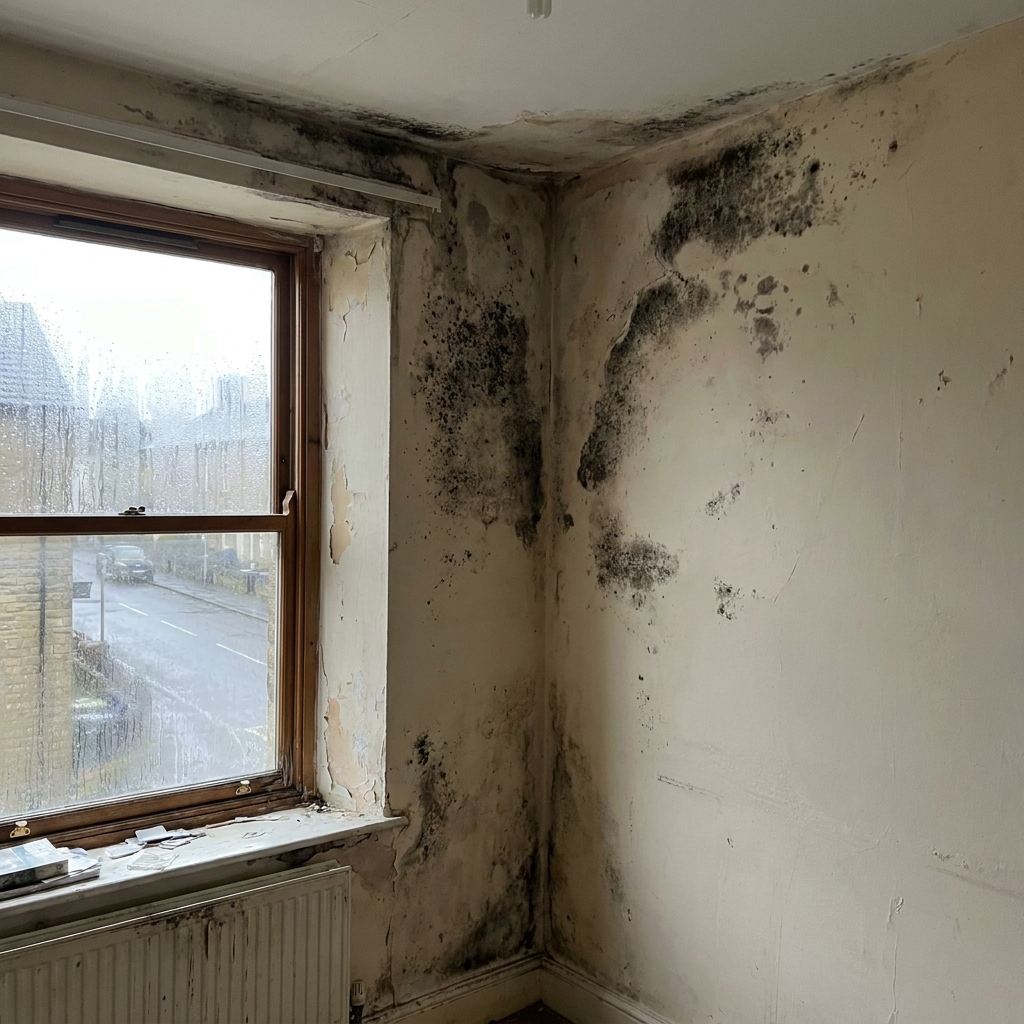
The short answer
A mortgage retention for damp is where the lender agrees the loan but holds back part of the advance until specified damp work is carried out and verified. It happens when the mortgage valuation flags damp that affects the property as security. You typically complete the purchase with the reduced amount, fund the repairs, then provide evidence — an invoice, guarantee or re-inspection — to release the retained sum. It protects the lender, and it usually does not stop the sale.
Hearing that your lender is “retaining” part of the mortgage over damp sounds alarming, but it is a routine risk-management step, not a refusal. The lender simply wants the property to be sound security before it releases every penny. Knowing how a retention works, step by step, lets you keep the purchase moving and get the held-back money paid out. Here is the practical picture from valuation to release.
Mortgage retention at a glance
- What it is Lender holds back part of the loan
- Triggered by Damp flagged in the mortgage valuation
- Purpose Protect the property as loan security
- To release it Evidence the specified work is done
- Effect on sale Usually proceeds; you fund repairs first
What a retention is and why it happens
When you apply for a mortgage, the lender commissions a valuation — a brief check that the property is adequate security for the loan, carried out for the lender rather than for you. If the valuer sees damp serious enough to affect value or saleability, the lender may make the offer conditional and retain part of the advance until the issue is dealt with. The retained sum is usually set at roughly the estimated cost of the specified work. It is the lender protecting its security, not a judgement that the house is unmortgageable, and most purchases with a retention still complete.
The retention process, end to end
A retention typically runs through the same sequence:
- 1. Valuation flags damp — the valuer notes visible damp and recommends further investigation or specific remedial work.
- 2. Lender imposes the retention — the mortgage offer is issued with part of the advance held back, and the condition is stated.
- 3. You complete with the reduced loan — the purchase proceeds, but you receive the advance minus the retained amount, so you fund the shortfall and the works from your own resources for now.
- 4. You get an independent diagnosis — a focused damp survey confirms the true cause, so you fix the right problem rather than the valuer’s best guess.
- 5. The work is carried out — by an accredited specialist, to a written specification, with a guarantee where appropriate.
- 6. You submit evidence and the retention is released — once the lender is satisfied the work is complete and effective.
Cash flow and price negotiation
Because you may need to cover the shortfall temporarily, a retention can be a cash-flow issue, so factor it into your budget early. If the figure is large, you can sometimes renegotiate the purchase price to reflect the cost of the work, or ask the seller to carry it out before completion — the routes are covered in damp survey when buying a house. A clear, independent report is your strongest evidence in either conversation.
How to get the retention released
To release the held-back money, the lender needs evidence that the specified work is complete and effective. That usually means a combination of the following:
| Evidence | What it shows |
|---|---|
| Contractor invoice & specification | The agreed work was carried out |
| Insurance-backed guarantee | The treatment is warranted (see guarantees) |
| Re-inspection / surveyor sign-off | The damp issue is resolved |
Why lenders retain and what it means for you
A retention is the lender holding back part of the mortgage advance until specified works are complete, and it is a risk-management tool, not a punishment. When the valuer flags significant damp, the lender wants confidence that its security — the property — will be sound, so it releases the bulk of the funds to let the purchase complete and retains a sum roughly equal to the estimated cost of the works. In practice that means you must fund the retained amount yourself in the short term, so it is worth knowing the figure early and budgeting for it. You then arrange the remedial work with a qualified, accredited contractor, obtain an insurance-backed guarantee, and send the lender the invoice, the guarantee and often a satisfactory re-inspection or a clear follow-up survey. Only once the lender is satisfied the work is done to standard does it release the retained sum. Build realistic time into your plans, because the cycle of quotes, works and re-inspection can take several weeks.
Once the lender is satisfied, the retained amount is released to you. Keep every document — survey, specification, invoice and guarantee — as you will need them again if you sell the property later. This page is general information, not financial, mortgage or legal advice; follow your lender’s and conveyancer’s specific instructions.
Frequently asked questions
What is a mortgage retention for damp?
It is where the lender approves the loan but holds back part of the advance until specified damp work is carried out and verified, protecting the property as security for the mortgage.
Does a retention mean my purchase will fall through?
Usually not. Most purchases complete with the reduced loan amount; you fund the repairs, provide evidence the work is done, and the lender then releases the retained sum.
How do I get the retention released?
Give the lender evidence the specified work is complete — typically a contractor invoice and specification, an insurance-backed guarantee, and a re-inspection or surveyor sign-off confirming the damp is resolved.
Should I just accept the lender’s damp assessment?
Get your own independent survey first. A mortgage valuation is brief and may misjudge the work; an impartial diagnosis tells you the real cause and cost before you commit.
Sources & further reading
- gov.uk — buying a home: mortgages, valuations and surveys guidance
- RICS — Home Survey Standard and the role of the mortgage valuation
- Property Care Association (PCA) — specialist damp reports and guarantees
This guide is general information, not a site-specific survey, medical advice or legal advice. Damp and mould should be assessed by a qualified surveyor, and health concerns discussed with a GP or the NHS.