The short answer
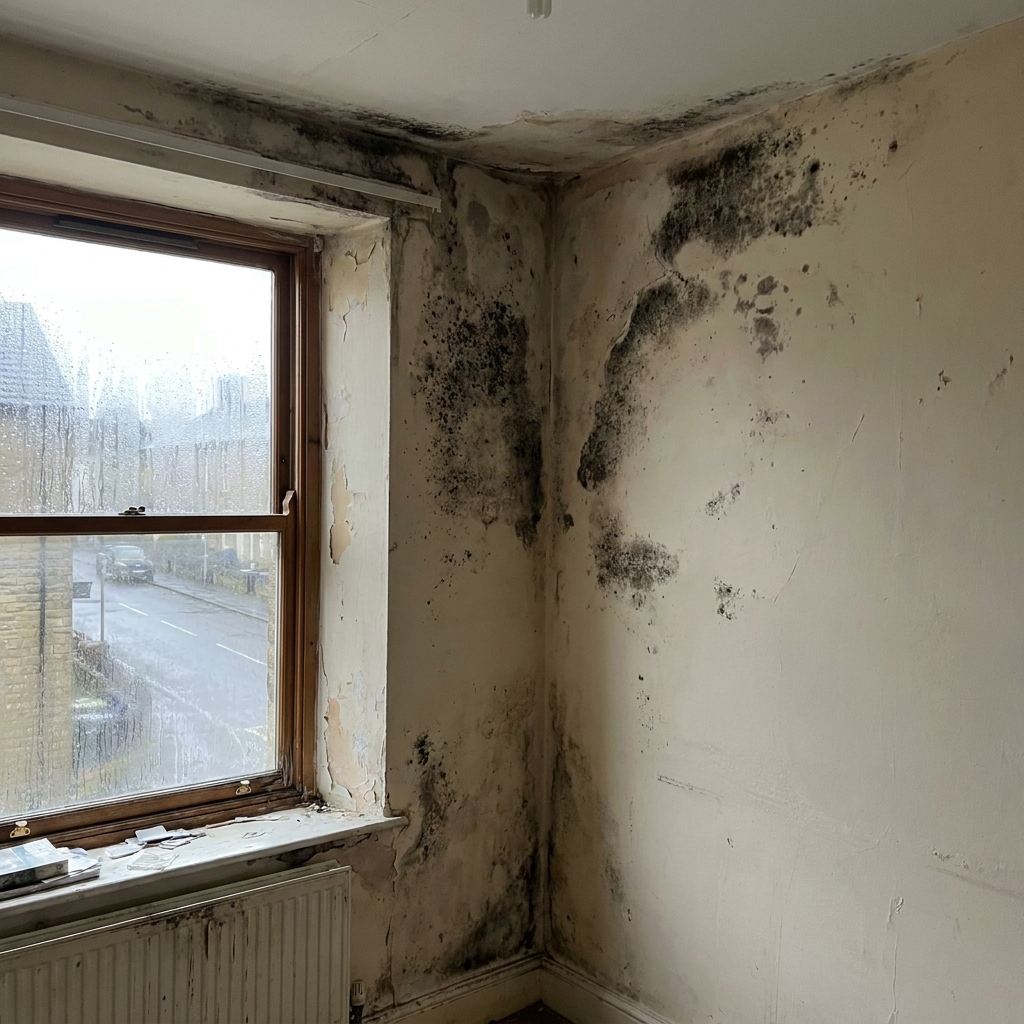
Babies and young children are more vulnerable to damp and mould than healthy adults because their airways and lungs are still developing. The NHS lists children among the groups more likely to be affected, alongside older people and those with asthma or allergies. Mould can trigger or worsen coughing, wheezing and allergic symptoms. The safe response is to remove mould from a child’s room promptly, fix the underlying damp, and see a GP if your child has a persistent cough, wheeze or breathing difficulty.
Parents understandably worry when they find mould in a nursery or a child’s bedroom. The reassuring part is that the response is straightforward; the important part is not to ignore it. Children’s lungs are still growing, which is why the NHS treats them as a more vulnerable group. This page explains why, what symptoms to look for, and the calm, practical steps to take. It is general information, not medical advice — if your child is unwell, contact a GP or NHS 111.
Mould and children at a glance
- Why more vulnerable Developing lungs and airways
- Watch for Persistent cough, wheeze, recurrent colds, itchy eyes, rash
- Priority rooms Nursery and child’s bedroom
- First step Remove mould and fix the damp at source
- See a GP if Cough or wheeze persists, breathing is laboured
Why children are more vulnerable
The NHS lists babies and children among the groups more likely to be affected by damp and mould. The reason is biological: young children breathe faster than adults relative to their size, and their lungs and immune systems are still developing. That means the same level of exposure can have a greater effect on a child than on a healthy adult. It does not mean every child in a damp home will become ill — plenty grow up healthy in homes that have the odd patch of winter condensation — but it does mean mould in a child’s room should be treated as a priority to remove, not something to monitor and live with. The combination of a child’s developing respiratory system and the long hours spent asleep in a bedroom is exactly why this room matters most.
Symptoms to watch for
Mould-related symptoms in children overlap with ordinary childhood illnesses, so the pattern matters more than any single sign. Things to look out for include:
- A cough that lingers or keeps returning, especially at night.
- Wheezing or noisy breathing.
- Frequent “colds” or a blocked or runny nose that does not settle.
- Red, itchy or watering eyes.
- A skin rash or worsening eczema.
- In a child with asthma, more frequent flare-ups.
A useful clue is whether symptoms ease when the child is away from the affected room — at a grandparent’s house, say, or on holiday — and return when they go back. If you notice this pattern, it is worth mentioning to a GP, because it is more telling than any single symptom on its own. Keeping a short note of when and where symptoms appear can help the clinician far more than a long list copied from the internet.
What to do in a child’s room
The aim is to remove the mould and stop it coming back. Practical steps:
- Clean small areas of mould while the child is out of the room and the room is ventilated — see how to clean mould safely.
- Move the cot or bed away from a cold, damp external wall while you sort out the cause, so the child is not sleeping right against the affected surface.
- Improve ventilation: open windows, use trickle vents, and avoid drying washing on radiators in the bedroom, as this pumps moisture into the air.
- Identify the underlying problem — most often condensation — and fix it so the mould does not return.
| Situation | Sensible action |
|---|---|
| Small patch in nursery | Clean safely, move cot from wall, improve ventilation |
| Recurring mould each winter | Treat as condensation; consider ventilation upgrade |
| Child has asthma | Remove mould promptly; keep to asthma plan; GP if worse |
| Mould keeps returning despite cleaning | Get a qualified damp survey to find the cause |
If you rent your home
If you are a tenant, your landlord is responsible for keeping the home free from serious damp and mould hazards. Since October 2025, social landlords in England have specific duties to investigate and act on damp and mould under Awaab’s Law — a law named after a two-year-old boy who died after prolonged exposure to mould. Report the problem in writing, make clear that a young child lives in the affected room, and keep a dated record of every message and reply. See mould in a rented property for the practical steps to take and how to escalate if the landlord does not act.
Frequently asked questions
Is mould more dangerous for babies than adults?
Babies and young children are more vulnerable because their lungs and airways are still developing. The NHS lists children among the groups more likely to be affected by damp and mould, so mould in a baby’s room should be removed promptly and the cause fixed.
What symptoms should I watch for in my child?
Look for a persistent or night-time cough, wheezing, frequent colds, a runny or blocked nose, itchy eyes, or a skin rash. A telling sign is symptoms that ease away from the affected room. See a GP if symptoms persist or breathing is laboured.
Can mould cause asthma in children?
Mould can trigger and worsen asthma symptoms, and the NHS flags people with respiratory problems as more at risk. Whether mould causes asthma to develop is more complex and not something to self-diagnose — discuss any concerns with a GP.
Should I move my child out of a mouldy bedroom?
Move the cot or bed away from the affected wall, clean small areas safely and improve ventilation while you fix the cause. For widespread mould, or if your child is unwell, prioritise removal and seek advice from a GP and, if you rent, your landlord.
Sources & further reading
- NHS — Can damp and mould affect my health?
- gov.uk — Understanding and addressing the health risks of damp and mould in the home
- Housing Ombudsman — Spotlight on damp and mould
This guide is general information, not a site-specific survey, medical advice or legal advice. Damp and mould should be assessed by a qualified surveyor, and health concerns discussed with a GP or the NHS.