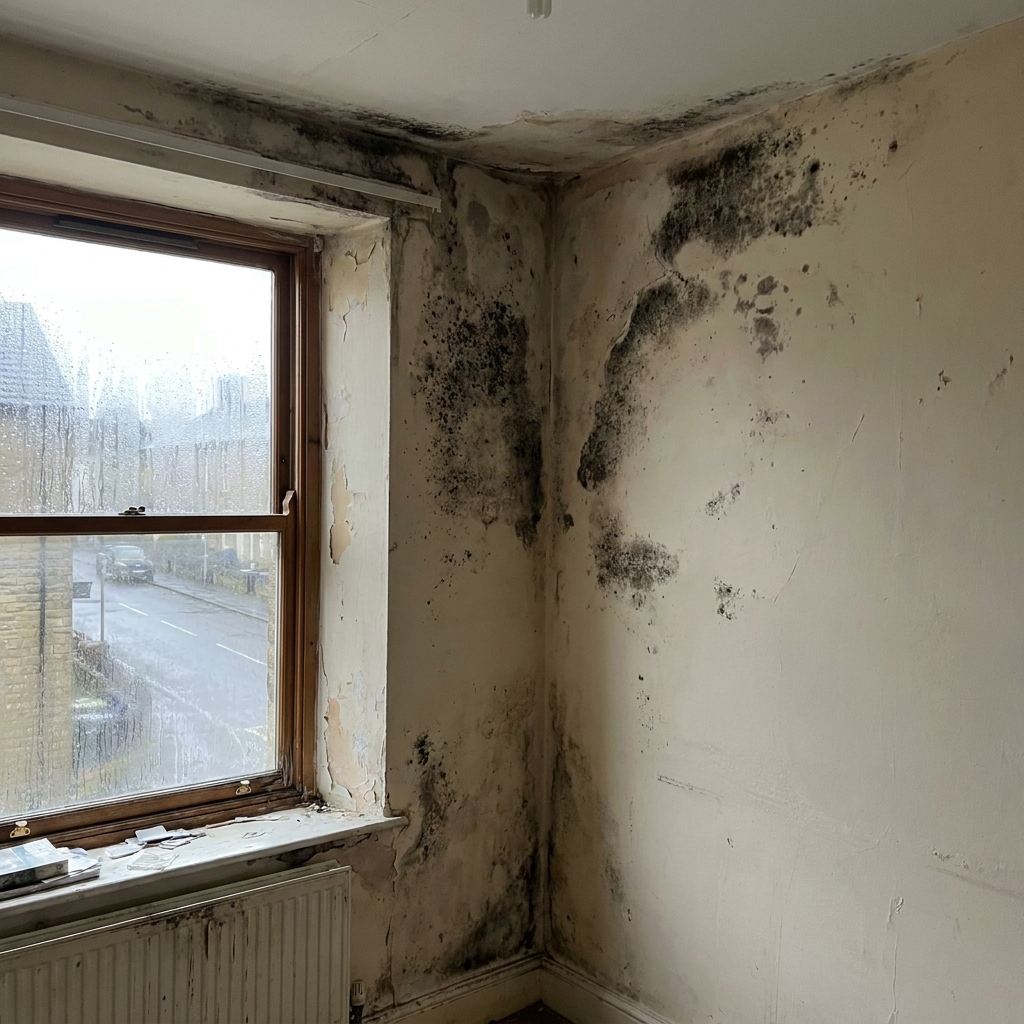
The short answer
If you are pregnant and have damp and mould at home, the sensible step is to have it removed and the cause fixed — but there is no need to panic. The main recognised effects of mould are respiratory and allergic. To stay on the safe side, avoid cleaning large areas of mould yourself while pregnant; ask someone else to do it, or use a professional, and keep the room well ventilated. Speak to your midwife or GP if you have symptoms or specific worries — this page is general information, not medical advice.
Finding mould while you are expecting can be worrying, and there is a lot of conflicting information online. This page gives the calm, practical version: what is and isn’t known, the precautions that make sense during pregnancy, and why your midwife or GP is the right person to ask about your own situation. The reassuring headline is that the response is straightforward — remove the mould, fix the damp, and take a few sensible precautions. It is general information, not medical advice.
Mould and pregnancy at a glance
- Headline Remove the mould and fix the cause — no need to panic
- Main effects Respiratory and allergic, as for anyone
- Sensible precaution Avoid cleaning large mould areas yourself
- Ventilation Keep affected rooms well aired
- Ask Your midwife or GP about your own situation
Should you be worried about mould in pregnancy?
It is natural to worry, and there is a lot of conflicting and frightening material online aimed at expectant parents. The calm position is that the response is the same as for any household: remove the mould and fix the underlying damp. The recognised health effects of mould — the ones the NHS describes — are mainly respiratory and allergic: sneezing, a runny nose, red eyes, a cough and, for asthma sufferers, worsened symptoms. There is no need to panic if you find mould while pregnant, but it is sensible to deal with it promptly rather than live alongside it, and to take a few extra precautions during the clean-up so that you are not the one breathing in disturbed spores.
Sensible precautions while pregnant
The most useful precautions are about reducing your own exposure during removal — not about elaborate measures or panic:
- Don’t tackle large mould areas yourself. Ask a partner, family member or professional to clean extensive mould while you are out of the room.
- Ventilate well during and after cleaning — open windows and keep the door closed to the rest of the home so spores are not spread around.
- Avoid harsh chemical fumes in an enclosed space; follow product instructions, never mix cleaning products, and keep rooms aired.
- Move away from the affected room while work is done, then return once it is clean and dry.
For small patches you do clean yourself, follow a careful method — ventilate the room, wear gloves and a mask, protect your skin, and avoid disturbing large amounts of spores by dry-brushing. Wipe the surface with a damp cloth and a suitable product, then dry it thoroughly so the mould has no moisture to return to.
Fixing the cause
Removing the mould treats the visible problem; fixing the damp stops it returning. Most household mould is driven by condensation, so improving ventilation and reducing indoor humidity makes a big difference — using extractor fans, opening windows after showers and baths, and avoiding drying washing on bedroom radiators. For persistent or widespread damp, get a qualified surveyor to identify the cause rather than guessing at it. Sorting it before the baby arrives means a healthier room from the start — see mould and children for why young lungs are more vulnerable and why the nursery is worth prioritising.
| Situation | Sensible action |
|---|---|
| Small patch, you feel well | Clean safely with good ventilation, or ask someone else |
| Large or widespread mould | Have someone else or a professional remove it |
| You have symptoms | Speak to your midwife or GP |
| Mould keeps returning | Get a qualified damp survey to find the cause |
If you rent your home
If you are a tenant, your landlord is responsible for keeping the property free from serious damp and mould hazards. Report the problem in writing, mention that you are pregnant and that a baby will soon be living there, and keep a dated record of every message and reply. This matters because a baby will be one of the more vulnerable people in the home, and getting the damp fixed before they arrive is far better than dealing with it afterwards. Social tenants also have protection under Awaab’s Law, which requires social landlords to investigate and act on damp and mould within set timescales. See mould in a rented property for the steps to take and how to escalate if nothing is done.
Frequently asked questions
Is mould dangerous during pregnancy?
The recognised effects of mould are mainly respiratory and allergic, as for anyone. There is no need to panic if you find mould while pregnant, but it is sensible to have it removed and the cause fixed. Speak to your midwife or GP about any symptoms or specific concerns.
Can I clean mould myself while pregnant?
You can clean small patches with good ventilation, but it is sensible to avoid tackling large areas of mould yourself while pregnant. Ask a partner, family member or professional to do it, keep the room well aired, and step away while the work is done.
Will mould harm my baby?
The main effects of mould are respiratory and allergic. Rather than rely on online claims, take the sensible precautions of removing the mould, fixing the damp and ventilating well, and ask your midwife or GP about your individual circumstances. This page is general information, not medical advice.
Should I tell my landlord I’m pregnant when reporting mould?
Yes, it is worth mentioning. Report the damp and mould in writing, note that you are pregnant, and keep a dated record. Landlords must keep homes free from serious damp and mould hazards, and social tenants have added protection under Awaab’s Law.
Sources & further reading
- NHS — Can damp and mould affect my health?
- gov.uk — Understanding and addressing the health risks of damp and mould in the home
- Housing Ombudsman — Spotlight on damp and mould
This guide is general information, not a site-specific survey, medical advice or legal advice. Damp and mould should be assessed by a qualified surveyor, and health concerns discussed with a GP or the NHS.