The short answer
Mould on clothes and belongings can usually be cleaned, but handle it carefully and treat the damp that caused it. Take affected items outside if you can, brush off loose mould in the open air to avoid spreading spores indoors, then wash clothing on the warmest setting the fabric allows. Protect yourself with gloves and a mask. Some heavily affected or porous items may need to be thrown away. Most importantly, fix the damp — usually condensation in a wardrobe or against a cold wall — or the mould will return.
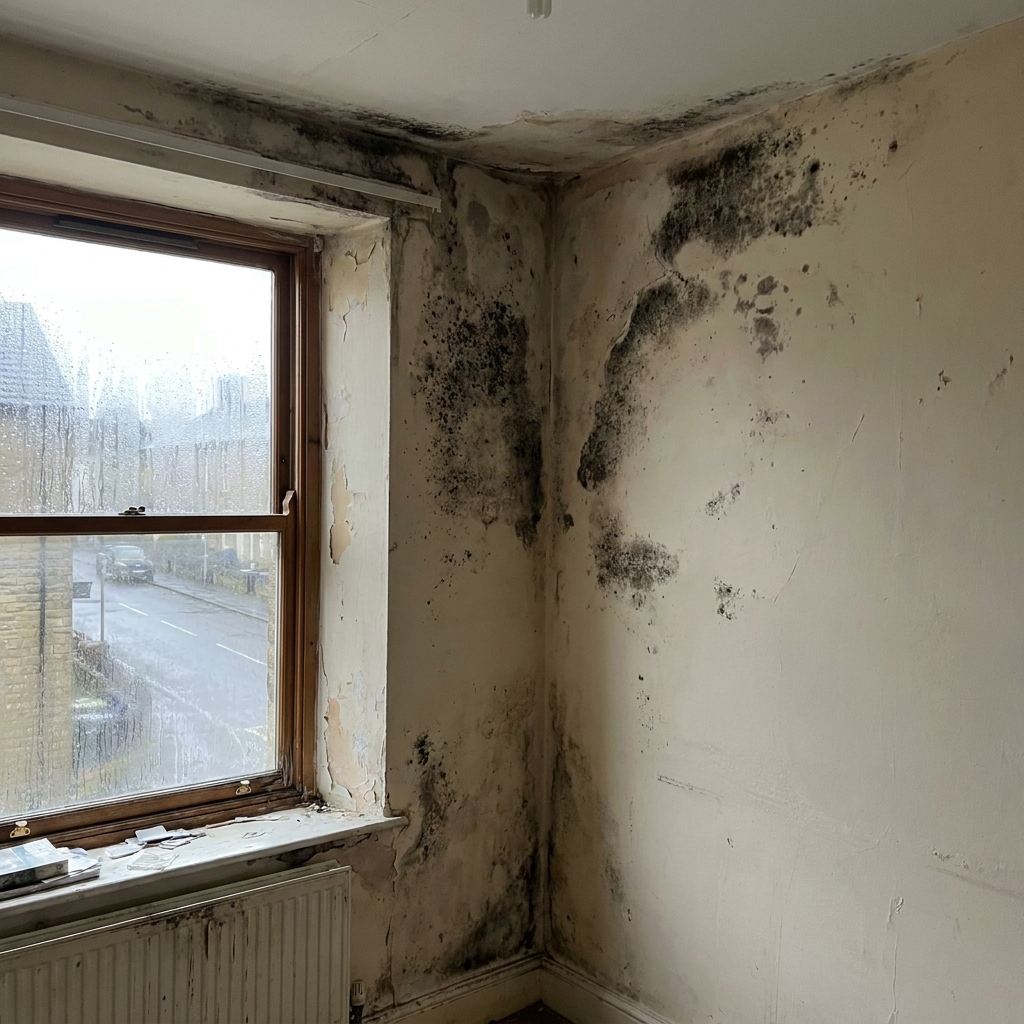
Mould does not only appear on walls — it turns up on clothes in a wardrobe, on shoes, books, fabric and stored belongings, often where air cannot circulate against a cold surface. The good news is that many items can be saved with careful cleaning. The important part, as ever, is to fix the conditions that let mould grow. This page explains how to deal with affected belongings safely and how to stop it happening again. It is general guidance; protect yourself, especially if you are vulnerable.
Mould on belongings at a glance
- First step Take items outside; brush off loose mould in open air
- Washing Warmest setting the fabric allows
- Protection Gloves and a mask; avoid spreading spores indoors
- May need to bin Heavily affected or porous items
- Prevent Ventilate wardrobes; keep items off cold walls
Why mould grows on clothes and belongings
Mould needs moisture, and stored belongings provide perfect conditions when air cannot circulate: a wardrobe against a cold external wall, boxes in a damp cupboard, or fabric pressed against a wall where condensation forms. Natural fibres and porous materials — cotton, wool, leather, paper, cardboard — hold moisture and feed mould readily, which is why a leather jacket or a stack of books often shows it first. So the appearance of mould on clothes is usually a sign of a damp, poorly ventilated micro-climate, not just bad luck, and it tends to point to a wider damp problem in that part of the room.
How to clean affected items safely
Most washable and hard items can be saved if you act carefully and protect yourself from spores:
- Protect yourself first. Wear gloves and a mask to avoid breathing in or touching spores.
- Work outside if you can. Take items into the open air and brush off loose mould there, so you are not releasing spores into the home.
- Wash clothing thoroughly. Launder affected clothes on the warmest setting the care label allows, using a suitable detergent. Repeat if marks remain.
- Dry completely. Dry items fully, ideally outdoors or in a well-ventilated space — never put damp items straight back into a wardrobe.
- Wipe hard items. For shoes, bags and hard surfaces, wipe with a damp cloth and a suitable cleaner, then dry thoroughly.
| Item | Approach | If badly affected |
|---|---|---|
| Washable clothes | Brush off outside, wash warm, dry fully | Repeat wash; bin if marks won’t shift |
| Leather shoes / bags | Wipe, clean, dry thoroughly | Specialist clean or replace |
| Books / paper | Dry, brush gently outside | Often easier to discard |
| Soft furnishings / mattresses | Clean surface, dry fully | Replace if mould is deep-set |
When to throw items away
Not everything can be saved. Porous items where mould has taken hold deep in the material — old books, cardboard boxes, some soft furnishings or mattresses — may be impossible to clean fully, and discarding them is often the safest choice. Use your judgement: if repeated washing does not shift the mould, or the item is low-value and badly affected, dispose of it carefully in a sealed bag so spores are not spread on the way out of the home. For valuable items such as leather goods, a specialist clean may be worth the cost before you give up on them.
Stop it happening again
Cleaning the items is only half the job — the conditions that caused the mould need to change, or it will return. Practical measures:
- Improve airflow: don’t overfill wardrobes; leave a gap so air can circulate around clothes.
- Keep furniture and stored items slightly away from cold external walls, where condensation forms.
- Reduce indoor humidity and avoid drying washing in bedrooms, which adds moisture to the air.
- For persistent damp behind a wardrobe or in a cupboard, get a qualified surveyor to find the cause.
If you rent, recurring mould on your belongings is often a sign of an underlying damp problem the landlord should address, not simply a matter of how you store your things — see mould in a rented property for your position. And for cleaning mould on the wall behind affected items, which is usually the real source, see how to clean mould safely. Fixing that wall is what stops your clothes and belongings being affected again.
Frequently asked questions
Can mould be washed out of clothes?
Often, yes. Brush off loose mould outdoors first, then wash affected clothing on the warmest setting the care label allows, with a suitable detergent, and dry fully. Repeat if marks remain. Wear gloves and a mask, and discard items where the mould will not shift.
Is mould on clothes dangerous?
Mould on belongings carries the same general risks as mould elsewhere — mainly respiratory and allergic. Handle affected items carefully, protect yourself with gloves and a mask, and work outdoors where possible to avoid spreading spores. Vulnerable people should ask someone else to do it.
Should I throw away mouldy belongings?
Many washable or hard items can be cleaned, but heavily affected porous items — old paper, cardboard, deep-set mould in soft furnishings or mattresses — can be impossible to clean fully and may be safer to discard. Use your judgement on value and how badly affected they are.
How do I stop mould growing on clothes in the wardrobe?
Improve airflow — don’t overfill the wardrobe, keep it slightly away from cold external walls, and reduce indoor humidity. Avoid putting damp clothes away, and ventilate the room. For persistent damp behind the wardrobe, get a qualified survey to find and fix the cause.
Sources & further reading
- NHS — Can damp and mould affect my health?
- gov.uk — Understanding and addressing the health risks of damp and mould in the home
- Housing Ombudsman — Spotlight on damp and mould
This guide is general information, not a site-specific survey, medical advice or legal advice. Damp and mould should be assessed by a qualified surveyor, and health concerns discussed with a GP or the NHS.