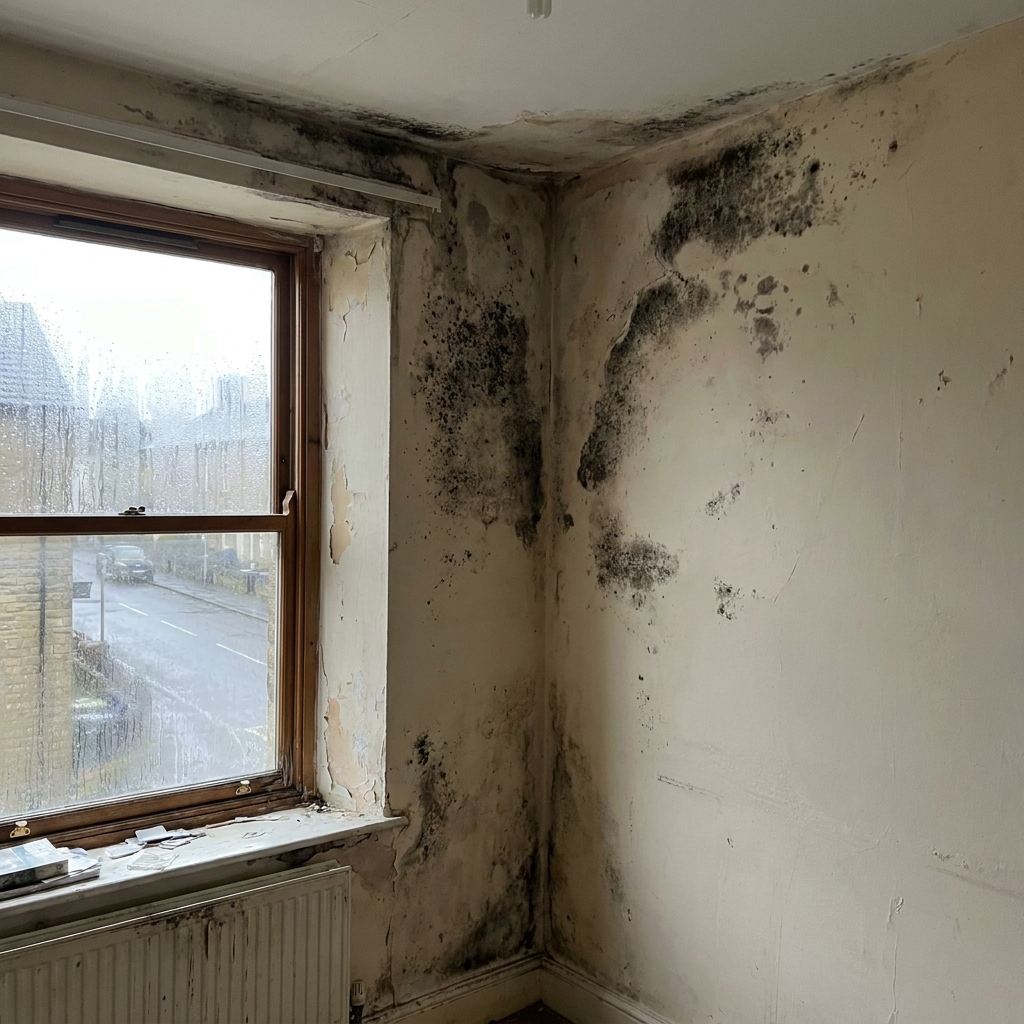
The short answer
Section 11 of the Landlord and Tenant Act 1985 implies a term into most residential tenancies of under seven years that the landlord must keep in repair the structure and exterior of the home (walls, roof, windows, gutters, drains) and the installations for water, gas, electricity, heating and sanitation. Where damp is caused by a defect in those things, repairing it is the landlord’s duty. The duty is usually triggered once the landlord has notice of the problem.
Section 11 is the foundation of a private tenant’s repair rights and underpins most damp and mould disputes. It is short but powerful, and its scope — and limits — decide many cases. This guide explains exactly what it covers, the crucial notice requirement, and where it stops. It is general information about the law in England and Wales in 2026, not legal advice.
Section 11 at a glance
- Source Landlord and Tenant Act 1985, s.11
- Applies to Most lettings of under seven years
- Covers Structure, exterior and key installations
- Damp link Leaks, roofs, gutters, plumbing, heating
- Trigger Landlord has notice of the defect
- Cannot be Excluded by the tenancy agreement
What section 11 covers
Section 11 of the Landlord and Tenant Act 1985 implies repairing obligations into most residential leases granted for under seven years — which covers almost all assured shorthold tenancies. The landlord must keep in repair:
- the structure and exterior of the dwelling — including walls, roof, windows, external doors, guttering and drains;
- the installations for the supply of water, gas and electricity and for sanitation (basins, sinks, baths, toilets);
- the installations for space heating and heating water.
Damp very often traces back to one of these: a leaking roof, cracked render, failed pointing, blocked or broken guttering, a plumbing leak, or a heating system that cannot warm the home. Where damp is caused by disrepair in a covered item, fixing it — and the resulting damage — is the landlord’s responsibility. The duty cannot be signed away in the tenancy agreement.
The notice requirement
A key feature of section 11 is that, for defects inside the let property, the landlord’s duty to repair generally only arises once they have notice of the problem — they cannot be expected to fix what they do not know about. After notice, they must carry out the repair within a reasonable time, which depends on the severity: a dangerous leak is urgent; a minor issue can wait longer. This is why reporting damp in writing, and keeping the date, is so important — it starts the clock. See is the landlord responsible for damp.
| Covered by s.11 | Often outside s.11 |
|---|---|
| Roof, walls, windows, guttering, drains | Internal decoration (usually) |
| Pipes, water and heating systems | Tenant’s own appliances and belongings |
| Damp from structural defects or leaks | Condensation from purely tenant behaviour |
Limits and overlaps
Section 11 does not cover everything. It is about disrepair, so a home that is in poor condition by design — cold, badly ventilated, but not actually broken — may not breach section 11 alone. That is where the Homes (Fitness for Human Habitation) Act 2018 and the HHSRS fill the gap, as they address fitness and hazards rather than just repair. Most strong damp cases rely on more than one of these together.
The ‘disrepair’ threshold and damp
An important nuance is that section 11 is triggered by damage or deterioration — something must have fallen into disrepair from a previous, better condition — rather than by a design flaw that was always present. A roof that has started to leak, render that has cracked, a gutter that has come loose or a heating system that has broken down are all classic section 11 territory, and the damp they cause is the landlord’s to remedy along with the consequential damage to plaster and decoration. By contrast, a home that was simply built cold and hard to ventilate, with no item actually broken, can sit awkwardly outside section 11 even though it is plainly causing condensation. This is not a loophole that lets landlords off, because the Fitness Act and the HHSRS step in precisely to catch unhealthy conditions that are not classic disrepair. For tenants, the practical takeaway is to describe the problem factually — where the damp is, when it started, and any visible defect such as a stain, leak or failed seal — and to let the surveyor and the law decide which duty applies. Often the same set of facts engages section 11, the Fitness Act and the HHSRS at once, which is why advisers tend to plead them together.
This is general information about the position in England and Wales in 2026, not legal advice. For your situation, contact Shelter, Citizens Advice or a housing solicitor.
Frequently asked questions
What does section 11 of the Landlord and Tenant Act 1985 cover?
It requires landlords to keep in repair the structure and exterior of the home (walls, roof, windows, gutters, drains) and the installations for water, gas, electricity, sanitation and heating. Damp caused by disrepair in these is the landlord’s duty to fix.
Does the landlord have to know about the problem first?
Yes, generally. For defects inside the let property, the section 11 duty arises once the landlord has notice. They must then repair within a reasonable time, so report in writing and keep the date.
Does section 11 cover condensation?
Not always directly — section 11 is about disrepair, so pure condensation with no underlying defect can fall outside it. But the Fitness Act and HHSRS can still apply, especially where ventilation or insulation is inadequate.
Can my tenancy agreement remove section 11?
No. Section 11 is implied by statute into most tenancies under seven years and cannot be excluded by the tenancy agreement.
Sources & further reading
- legislation.gov.uk — Landlord and Tenant Act 1985, section 11
- GOV.UK — Private renting: repairs
- legislation.gov.uk — Homes (Fitness for Human Habitation) Act 2018
- Housing Ombudsman — Spotlight on damp and mould
This guide is general information, not a site-specific survey, medical advice or legal advice. Damp and mould should be assessed by a qualified surveyor, and health concerns discussed with a GP or the NHS.