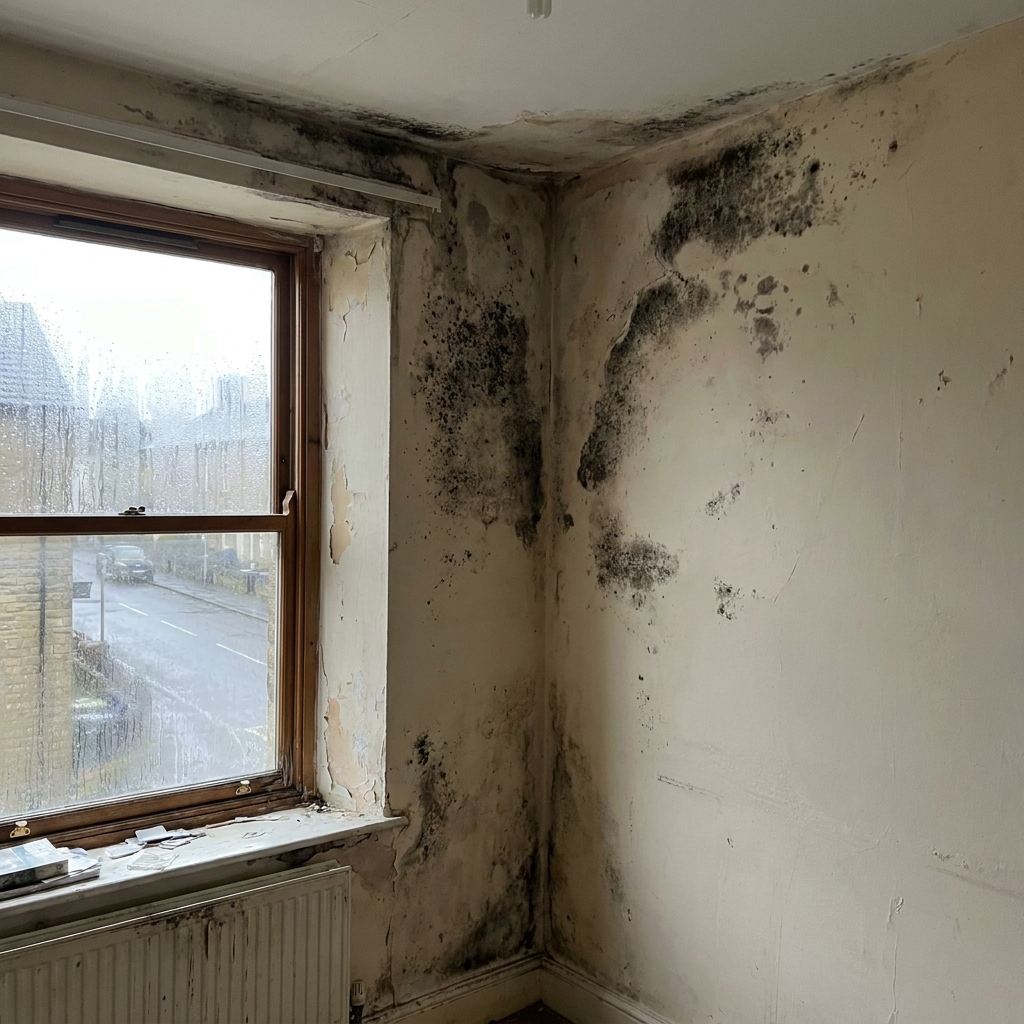
The short answer
For most healthy adults, mould is an irritant rather than a serious danger — but it is not harmless. The NHS says moulds produce allergens, irritants and sometimes toxic substances that can trigger a runny nose, sneezing, red eyes, a skin rash and worsened asthma. The risk is higher for babies, children, older people, and anyone with asthma, allergies or a weakened immune system. If you have damp and mould at home, the safe response is to remove it, fix the cause, and see a GP if symptoms persist.
“Is mould dangerous?” is the question people ask first, and the honest answer is “it depends”. The health effect of mould depends on how much there is, how long you are exposed, and — most of all — who you are. This page sets out the calm, evidence-based UK position from the NHS and gov.uk, explains who is most vulnerable, and points you to what to do next. It is general information, not medical advice; if you are worried about your symptoms, speak to a GP.
Mould and health at a glance
- Main effect Allergic and irritant respiratory symptoms
- Most at risk Babies, children, older people, asthma & allergy sufferers, immunocompromised
- Common symptoms Sneezing, runny nose, red eyes, skin rash, worsened asthma
- NHS advice Remove mould, fix the damp, see a GP if symptoms persist
- Landlord duty Homes must be free from serious damp & mould hazards
What the NHS says about mould and health
The NHS is clear and measured: moulds produce allergens (substances that can cause an allergic reaction), irritants and, sometimes, toxic substances. Inhaling or touching mould spores may cause an allergic reaction such as sneezing, a runny nose, red eyes and a skin rash. Mould can also trigger asthma attacks in people with asthma. So mould is not trivial — but for a healthy adult it is usually an irritant that resolves once the mould is gone, rather than a cause of lasting harm. It is worth keeping this proportion in mind, because a great deal of what is written online about mould is alarmist and not supported by the evidence the NHS relies on.
The danger is greater the longer you are exposed and the larger the affected area. A small patch of black mould on a wall behind a wardrobe is a different proposition from mould covering a bedroom wall where someone sleeps every night. Two factors therefore shape how seriously to take any given case: the scale of the growth, and the vulnerability of the people living with it. Neither figure is something you can read from a single number, which is why the right response is to remove the mould and address the damp rather than to try to decide whether a particular patch is “allowed” to stay. Black mould in particular tends to alarm people, but its colour does not by itself tell you how harmful it is — what matters is the same three things: area, exposure and who is breathing it in.
Who is most at risk?
The NHS identifies groups for whom damp and mould are more likely to affect health. For these people, the same level of exposure tends to have a greater effect, so removing mould should be treated as a priority rather than a chore that can wait:
- Babies and children — developing lungs and airways are more vulnerable; see mould and children.
- Older people, whose respiratory systems may be less resilient.
- People with existing skin problems, such as eczema, which can flare on contact.
- People with respiratory problems, such as allergies and asthma.
- People with a weakened immune system, such as those having chemotherapy, who face a higher risk of fungal infection.
If you or someone in your home falls into one of these groups, treat damp and mould as a priority to remove rather than something to live alongside. It does not mean illness is inevitable — many people live in mildly damp homes without obvious harm — but it does shift the balance firmly towards acting sooner rather than later.
| Person | Typical risk level | Sensible response |
|---|---|---|
| Healthy adult | Irritation; symptoms usually clear once mould is gone | Remove mould, fix the cause |
| Asthma or allergy sufferer | Higher — can trigger flare-ups | Remove promptly; keep reliever to hand; see GP if worse |
| Baby or young child | Higher — developing airways | Prioritise removal; GP if persistent cough/wheeze |
| Immunocompromised | Highest — risk of fungal infection | Avoid contact; seek medical advice |
What symptoms might mould cause?
The most common effects are respiratory and allergic: sneezing, a blocked or runny nose, watering or red eyes, coughing, wheezing and skin irritation. People with asthma may notice their symptoms worsen. These overlap with many ordinary conditions such as colds, hay fever and dust allergies, so mould is rarely diagnosed from symptoms alone — what matters is whether they ease when you are away from the affected room and return when you go back. That pattern, noted over a week or two, is far more useful to a clinician than any online symptom checklist, many of which exaggerate the range of problems mould can cause. For more detail see mould exposure symptoms.
What to do about it
The NHS advice is practical: remove the mould and treat the underlying damp. Removing mould treats the symptom; fixing the cause — usually condensation, penetrating damp or rising damp — stops it coming back. Clean small areas of mould carefully (see how to clean mould safely), improve ventilation, and get a qualified surveyor to assess persistent or widespread damp. A typical damp survey costs in the region of £150–£350 and is money well spent where the cause is unclear or the mould keeps returning. If you rent, your landlord is responsible for keeping the home free from serious damp and mould hazards. In short: do not panic, but do not ignore it either — deal with the mould, fix the damp, and seek medical advice if anyone is unwell.
Frequently asked questions
Can mould really make you ill?
Yes, it can. The NHS says mould produces allergens and irritants that can cause sneezing, a runny nose, red eyes, a skin rash and worsened asthma. For most healthy people the effect is irritation that clears once the mould is gone, but it can be more serious for babies, older people and anyone with respiratory problems or a weakened immune system.
Is a small amount of mould dangerous?
A small patch is generally lower risk than a large, well-established area, but it should still be removed and the cause fixed. Small amounts can be cleaned safely yourself; larger or recurring growth needs the underlying damp investigated by a qualified surveyor.
Should I see a doctor about mould exposure?
See a GP if you have a persistent cough, breathing difficulties, a worsening skin or respiratory condition, or symptoms you are worried about. This page is general information, not medical advice, and only a clinician can assess your health.
Does mould only affect people with allergies?
No. People with allergies and asthma are more likely to react, but mould can irritate anyone. The NHS also flags babies, children, older people and immunocompromised people as more vulnerable, so it should be removed regardless of who lives in the home.
Sources & further reading
- NHS — Can damp and mould affect my health?
- gov.uk — Understanding and addressing the health risks of damp and mould in the home
- Housing Ombudsman — Spotlight on damp and mould: it’s not lifestyle
This guide is general information, not a site-specific survey, medical advice or legal advice. Damp and mould should be assessed by a qualified surveyor, and health concerns discussed with a GP or the NHS.