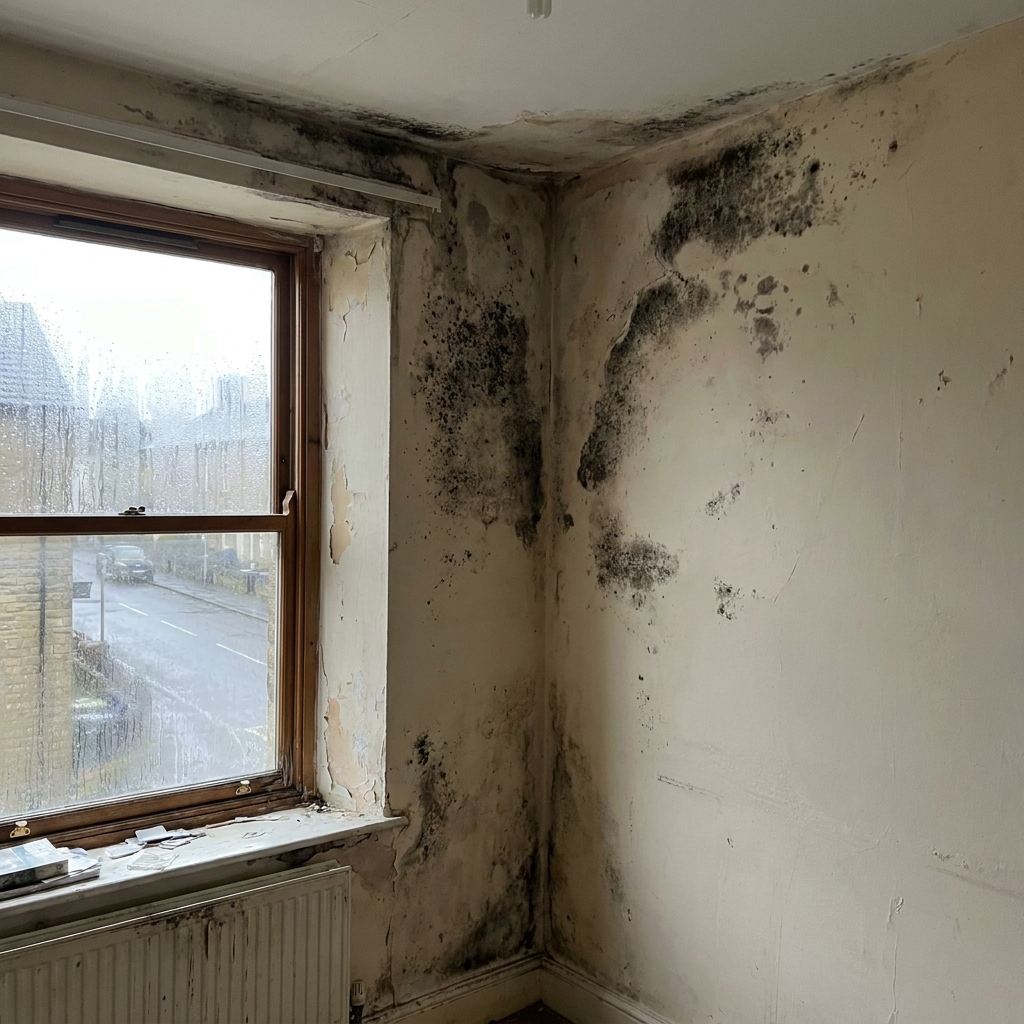
The short answer
A dehumidifier helps manage condensation by lowering the humidity of indoor air, which reduces the moisture available to condense on cold surfaces and feed mould. It costs around £100–£300. But it is a management aid, not a cure: it does nothing for rising or penetrating damp, where water enters the structure, and it does not replace ventilation, heating or fixing the underlying cause. Useful as part of a wider plan, not as a stand-alone solution.
Dehumidifiers are widely sold as a quick fix for damp, and they do have a real role — but only against the right kind of damp. They pull moisture out of the air, so they can ease condensation in a humid room. They cannot, however, stop water rising up a wall or leaking through it, and they are not a substitute for proper ventilation. This guide explains when a dehumidifier helps and when it is the wrong tool.
Dehumidifiers at a glance
- What it does Lowers indoor air humidity
- Helps with Condensation and damp-feeling air
- Does not fix Rising or penetrating damp
- Cost £100–£300
- Status A management aid, not a cure
- Best with Ventilation and even heating
What a dehumidifier actually does
A dehumidifier draws air over a cold coil or a moisture-absorbing material, removing water vapour and collecting it as liquid, then returns drier air to the room. By lowering the humidity of the indoor air, it reduces the amount of moisture available to condense on cold surfaces — and condensation is the most common cause of household mould. So in a persistently humid room, a dehumidifier can genuinely reduce window misting, damp-feeling air and the conditions mould needs. It typically costs £100–£300. To understand the condensation it targets, see how to stop condensation and condensation vs damp.
What a dehumidifier cannot do
A dehumidifier only treats moisture that is in the air. It does nothing about water entering the building fabric, so it is the wrong tool for the other forms of damp:
- Rising damp — groundwater drawn up through the wall is unaffected by drying the room air; the damp-proof course or bridging must be addressed. See how to treat rising damp.
- Penetrating damp — water coming through a leaking gutter, roof or wall needs the external defect repaired, not the air dried.
- Mould already present — a dehumidifier slows new growth but does not clean existing mould; see how to remove black mould.
The distinction is simple but important: a dehumidifier is a tool for managing the air, not the structure. If your damp is condensation, drying the air genuinely helps. If it is water coming through or up the wall, the dehumidifier will run and run while the actual defect — and the harm it is doing to plaster and timber — carries on unchecked.
Using a dehumidifier sensibly
A dehumidifier works best as part of a wider plan rather than on its own. Pair it with good ventilation and even heating, and use it where moisture genuinely collects — for example in a room where washing is dried indoors. It can be especially useful while a wall dries out after a leak or after damp-proofing work. But if you find yourself running it constantly just to keep a room habitable, that points to an underlying cause — poor ventilation, cold spots, or a non-condensation damp problem — that needs proper diagnosis. See ventilation to prevent mould.
Refrigerant or desiccant — which type?
Domestic dehumidifiers come in two main types, and the difference matters in a cold British home. A refrigerant (compressor) model draws air over a cold coil to condense out moisture; it is efficient in warm, humid conditions but becomes less effective in a cold room, which is exactly when condensation damp is worst. A desiccant model uses a moisture-absorbing material and a gentle heater, so it works better at low temperatures and in unheated spaces such as a cold spare room or a property left empty over winter, though it generally uses a little more energy. For a chilly, damp room a desiccant unit is often the more practical choice; for a warmer living space a refrigerant model is usually more economical. Either way, position the unit where moisture collects, empty the tank (or arrange continuous drainage), and remember it is managing humidity, not curing a defect.
When to look beyond the dehumidifier
If humidity stays high despite a dehumidifier and good ventilation, or if damp keeps appearing in the same place, get an independent assessment to identify the real cause. Running a dehumidifier around the clock just to keep a room usable is itself a signal that something underlying — ventilation, insulation or a water-ingress defect — needs proper attention. This page is general information, not a survey. If you rent and the home cannot be kept reasonably free of damp, the underlying repair is usually the landlord’s responsibility, not something a tenant should solve with a dehumidifier alone; see landlord responsibility for damp.
Frequently asked questions
Will a dehumidifier get rid of damp?
It will help manage condensation by lowering indoor humidity, but it will not get rid of rising or penetrating damp, where water enters the structure. For those, the building defect or damp-proof course must be repaired — a dehumidifier only treats moisture in the air.
Does a dehumidifier stop mould?
It can slow mould growth by reducing the humidity mould needs, but it does not remove existing mould or fix the underlying damp. It works best alongside cleaning the mould safely, improving ventilation and addressing the moisture source.
How much does a dehumidifier cost to run?
The unit itself is typically £100–£300. Running costs depend on the model and how often it is used; energy-efficient models cost relatively little, but running one constantly is a sign an underlying cause needs fixing.
Is a dehumidifier or better ventilation more effective?
Ventilation tackles the cause by removing moist air, while a dehumidifier manages humidity in a single room. For lasting control of condensation, ventilation and even heating come first, with a dehumidifier as a useful supporting aid.
Sources & further reading
- Property Care Association (PCA) — condensation and ventilation guidance
- GOV.UK — Understanding and addressing the health risks of damp and mould in the home
- NHS — Can damp and mould affect my health?
- English Housing Survey — damp and condensation in the housing stock
This guide is general information, not a site-specific survey, medical advice or legal advice. Damp and mould should be assessed by a qualified surveyor, and health concerns discussed with a GP or the NHS.